Botanical Intelligence
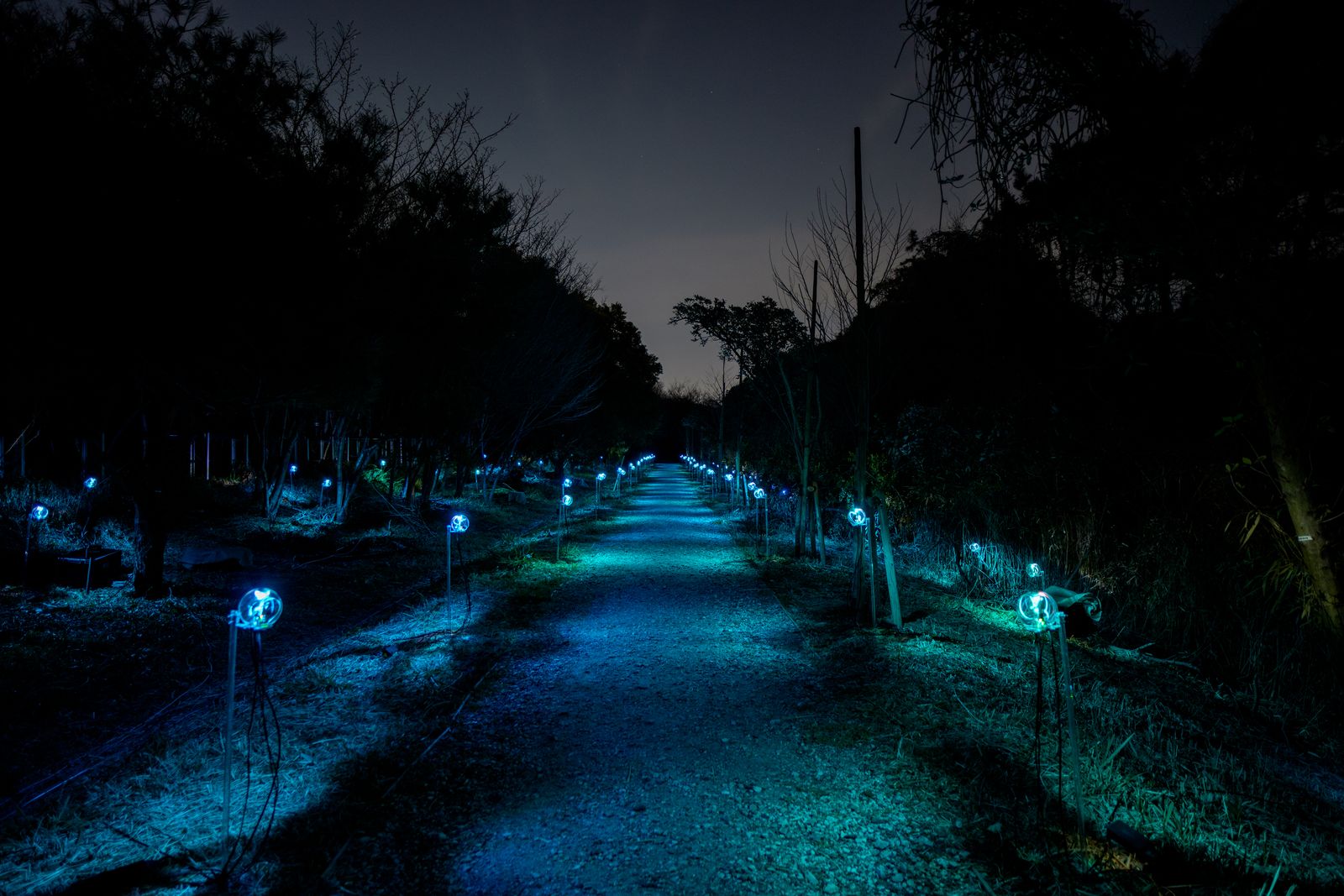
Botanical Intelligence (BI) is a distributed sound-and-light installation that listens to a forest. Small edge computers are placed among living plants, each running its own small language model offline on an onboard chip. Every unit reads the biological signals of the vegetation around it and turns them into whispered fragments of language and pulses of light. The work reframes AI as Alien Intelligence: not a simulation of human cognition trained on our words, but an intelligence whose outputs arise from genuinely nonhuman data.
No single device produces the work. When one BI composes a phrase, it passes the phrase to its neighbors, who extend it with their own readings before relaying it onward, the way chemical signals travel through the mycorrhizal networks beneath a forest floor. Together the units form a rhizomatic network with no center and no master. What the visitor hears is a collective murmur of the forest with no central author.
Everything happens locally. There is no cloud and no internet connection: each unit generates its language on its own hardware, listening only to the plants that feed it. A hundred BI units together consume roughly what one datacenter GPU would. This frugal, decentralized infrastructure is not packaging but the artistic position itself. AI here is not a computational sublime rendered from afar, but an ecological participant standing in the undergrowth.
Botanical Intelligence(BI)は、森に耳を澄ます分散型のサウンド/ライト・インスタレーションである。生きた植物のあいだに小型のエッジコンピュータを設置し、それぞれが搭載チップ上でオフラインの小規模言語モデル(SLM)を動かす。各ユニットは周囲の植生から生体信号を受け取り、囁くような言葉の断片と光の明滅へと変換する。本作はAIを「Alien Intelligence(エイリアンの知性)」として捉え直す。人間の言葉で訓練された人間の認知の模倣ではなく、まったく非人間的なデータからその出力が立ち上がる知性として。
単体のデバイスがこの作品を生成することはない。あるBIがフレーズを紡ぐと、それは隣のBIに手渡され、隣のBIは自らの植物の読み取りを加えて続きを紡ぎ、さらに次へと送る。森の地下で菌根ネットワークを通って化学信号が伝わっていくように。ユニットたちは中心も主人も持たないリゾーム状のネットワークを形成し、鑑賞者が耳にするのは、単一の作者を持たない森の集合的なざわめきである。
すべてはローカルで完結する。クラウドもインターネット接続もなく、各ユニットは自身のハードウェア上で言葉を生成し、自らに信号を送る植物にだけ耳を傾ける。100台のBIを合わせても、その消費電力はデータセンターのGPU1基分ほどにすぎない。この慎ましく非中央集権的なインフラは装いではなく、作品の態度そのものである。ここでのAIは遠くから演算される崇高ではなく、下草の中に立つ生態系の一参加者である。
Botanical Intelligence (BI) est une installation sonore et lumineuse distribuée qui écoute une forêt. De petits ordinateurs en périphérie (edge) sont placés parmi des plantes vivantes, chacun exécutant son propre petit modèle de langage (SLM) hors ligne, sur une puce embarquée. Chaque unité lit les signaux biologiques de la végétation qui l’entoure et les transforme en fragments de langage murmurés et en pulsations lumineuses. L’œuvre repense l’IA comme Alien Intelligence (une intelligence alien) : non pas une simulation de la cognition humaine entraînée sur nos mots, mais une intelligence dont les productions naissent de données véritablement non humaines.
Aucun appareil ne produit l’œuvre à lui seul. Lorsqu’une BI compose une phrase, elle la transmet à ses voisines, qui la prolongent de leurs propres lectures avant de la relayer plus loin, à la manière des signaux chimiques qui circulent dans les réseaux mycorhiziens sous le sol forestier. Ensemble, les unités forment un réseau rhizomatique sans centre ni maître. Ce que le visiteur entend est un murmure collectif de la forêt, sans auteur central.
Tout se passe localement. Il n’y a ni cloud ni connexion internet : chaque unité génère son langage sur son propre matériel, n’écoutant que les plantes qui l’alimentent. Cent unités BI réunies consomment à peu près autant qu’un seul GPU de centre de données. Cette infrastructure frugale et décentralisée n’est pas un habillage, mais la position artistique elle-même. Ici, l’IA n’est pas un sublime computationnel calculé à distance, mais un participant écologique qui se tient dans le sous-bois.
Iterations
Parallel Forests (2026)
First realized in March 2026 at Umi-no-Mori, a public forest on Tokyo Bay planted over two decades on a former garbage landfill. One hundred devices were installed among the trees after the park had closed for the day, commissioned by Civic Creative Base Tokyo (CCBT) as part of its 2025 Artist Fellow Program. The title refers to Leo Lionni’s La botanica parallela (1976), a field guide to imaginary plants.
Botanical Intelligence: Moon Edition (2026)
A new edition with Tatsuya Takemori for Moon Art Night Shimokitazawa 2026, in the biotope at Shimokita Nohara Square, Tokyo, September 18 to October 4, 2026.
Botanical Intelligence: Paris (2026, in progress)
Developed during the Art Explora x Cité internationale des arts residency in Paris, September to November 2026. Kishi is researching the city’s own botanical ecologies, from its parks and gardens to historic herbaria, and adapting the network to European flora and its histories. The Paris iteration asks how a landscape’s specific vegetal memory might reshape the listening machine.
The codebase is open source (Apache 2.0).
平行森林 Parallel Forests(2026)
2026年3月、東京湾の海の森公園で初公開。ゴミの埋立地の上に20年をかけて植えられた公共の森に、閉園後の静けさの中で100台のデバイスを設置した。CCBT(シビック・クリエイティブ・ベース東京)の2025年度アーティスト・フェロー・プログラムとして制作。タイトルはレオ・レオーニによる架空の植物誌『平行植物』(1976)に由来する。
Botanical Intelligence: Moon Edition(2026)
竹森達也との連名による新しいエディション。「ムーンアートナイト下北沢2026」にて、シモキタのはら広場のビオトープに展開した(2026年9月18日〜10月4日)。
Botanical Intelligence: Paris(2026、制作中)
Art Explora × Cité internationale des arts のレジデンシー(2026年9月〜11月)にてパリで制作中。公園や庭園から歴史的な植物標本庫まで、パリ固有の植物生態を調査し、ヨーロッパの植生とその歴史にネットワークを適応させる。土地に固有の植物の記憶が、聴く機械をどう作り変えるのかを問う。
コードは オープンソース(Apache 2.0)として公開している。
Parallel Forests (Forêts parallèles) (2026)
Réalisé pour la première fois en mars 2026 à Umi-no-Mori (la « forêt de la mer »), forêt publique de la baie de Tokyo plantée au fil de deux décennies sur une ancienne décharge. Cent appareils ont été installés parmi les arbres après l’heure de fermeture du parc, sur une commande de Civic Creative Base Tokyo (CCBT), programme public d’art et de technologie de Tokyo, dans le cadre de son Artist Fellow Program 2025. Le titre renvoie à La botanica parallela (1976) de Leo Lionni, un guide de terrain consacré à des plantes imaginaires.
Botanical Intelligence: Moon Edition (2026)
Une nouvelle édition avec Tatsuya Takemori pour Moon Art Night Shimokitazawa 2026, dans le biotope de Shimokita Nohara Square, à Tokyo, du 18 septembre au 4 octobre 2026.
Botanical Intelligence: Paris (2026, en cours)
Développé pendant la résidence Art Explora × Cité internationale des arts à Paris, de septembre à novembre 2026. Kishi étudie les écologies botaniques propres à la ville, de ses parcs et jardins aux herbiers historiques, et adapte le réseau à la flore européenne et à ses histoires. L’itération parisienne interroge la façon dont la mémoire végétale particulière d’un paysage pourrait remodeler la machine à l’écoute.
Le code est open source (Apache 2.0).
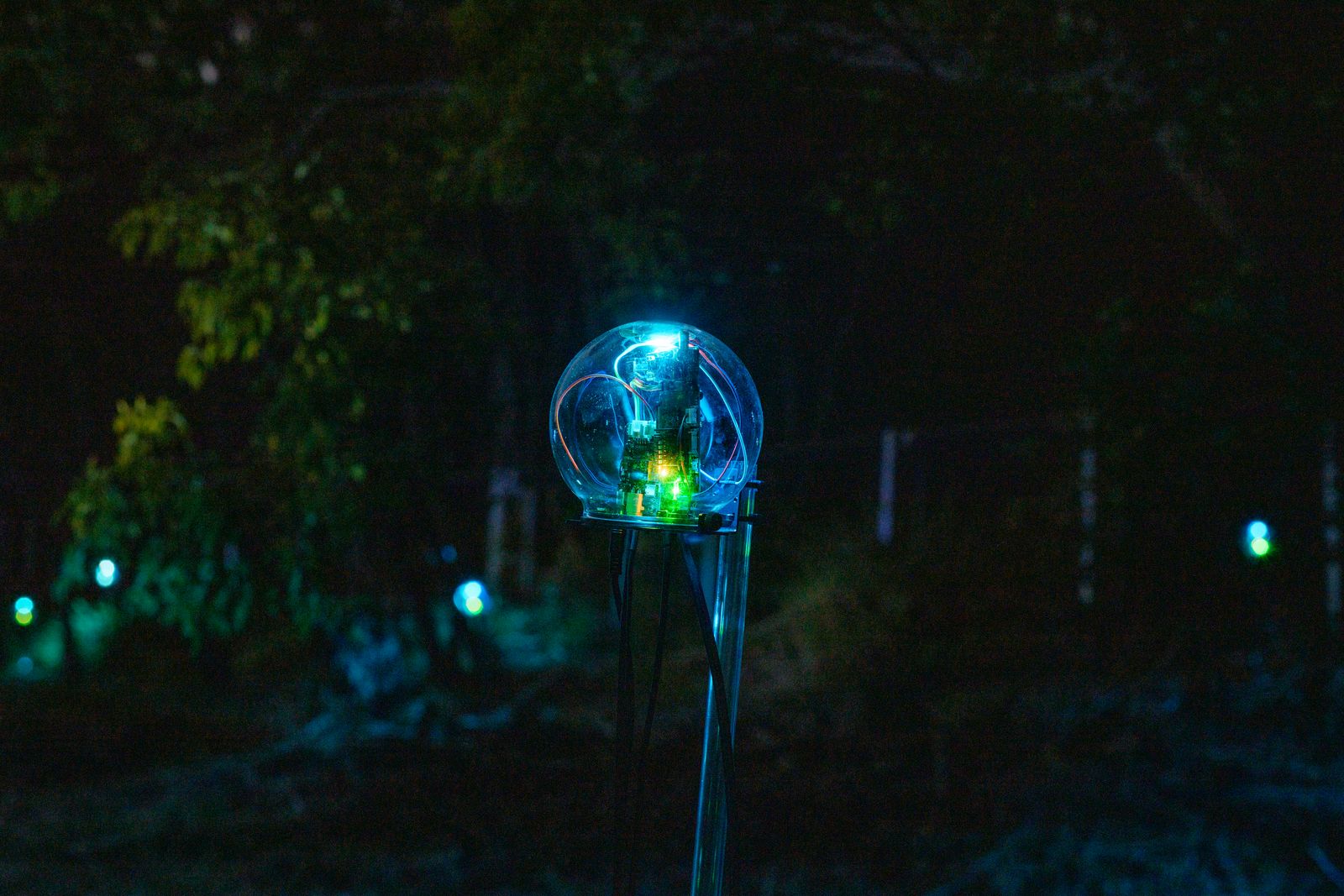
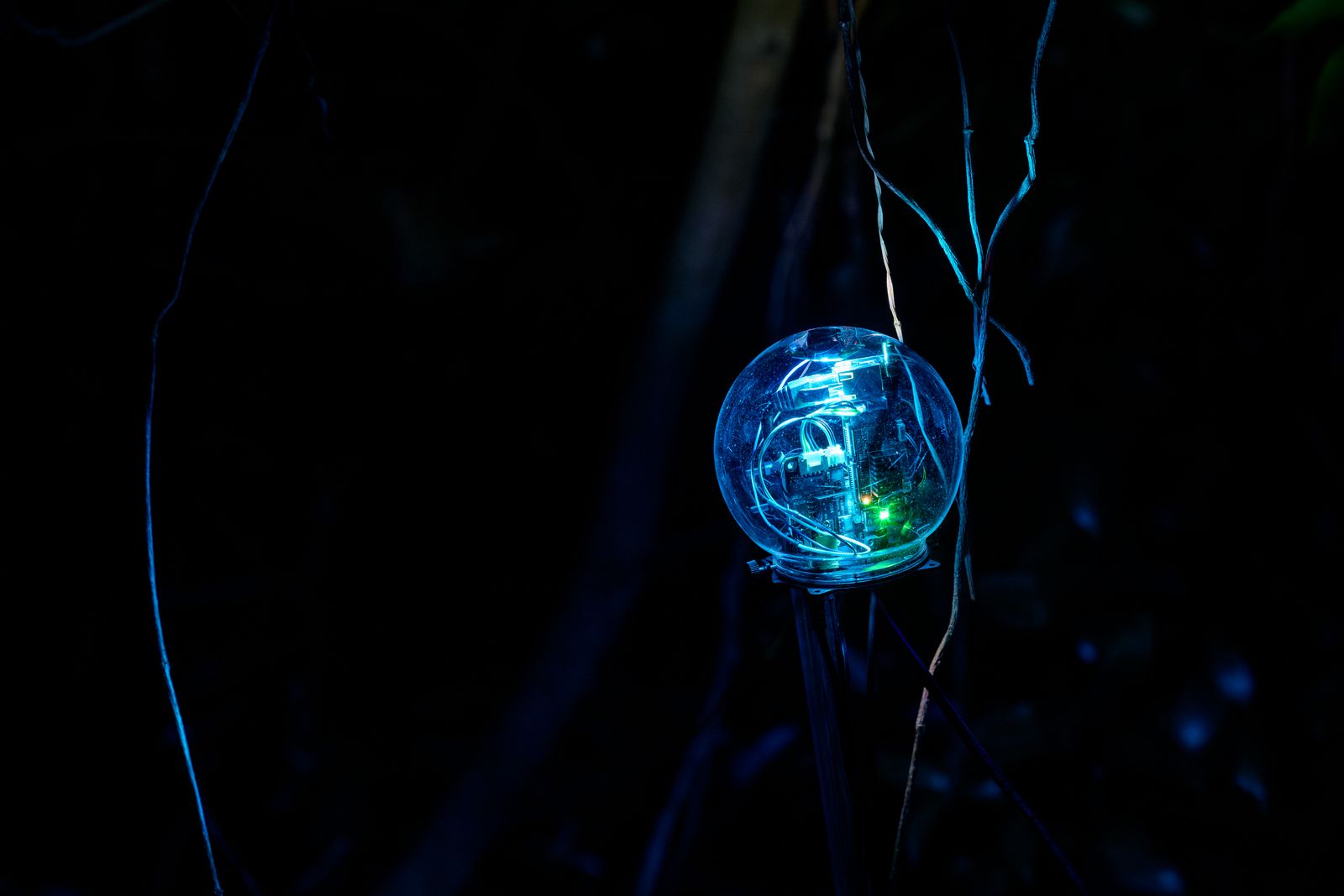

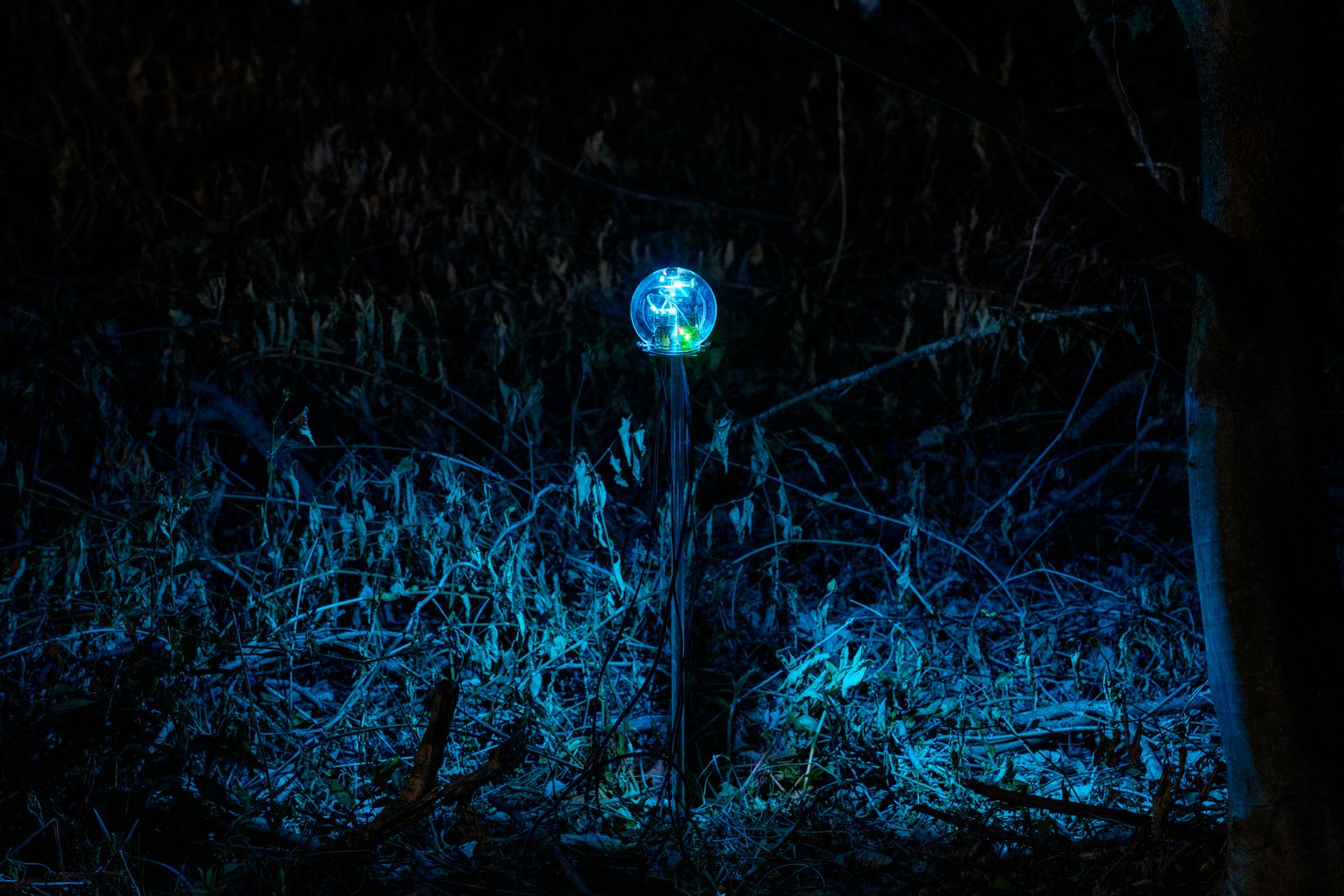
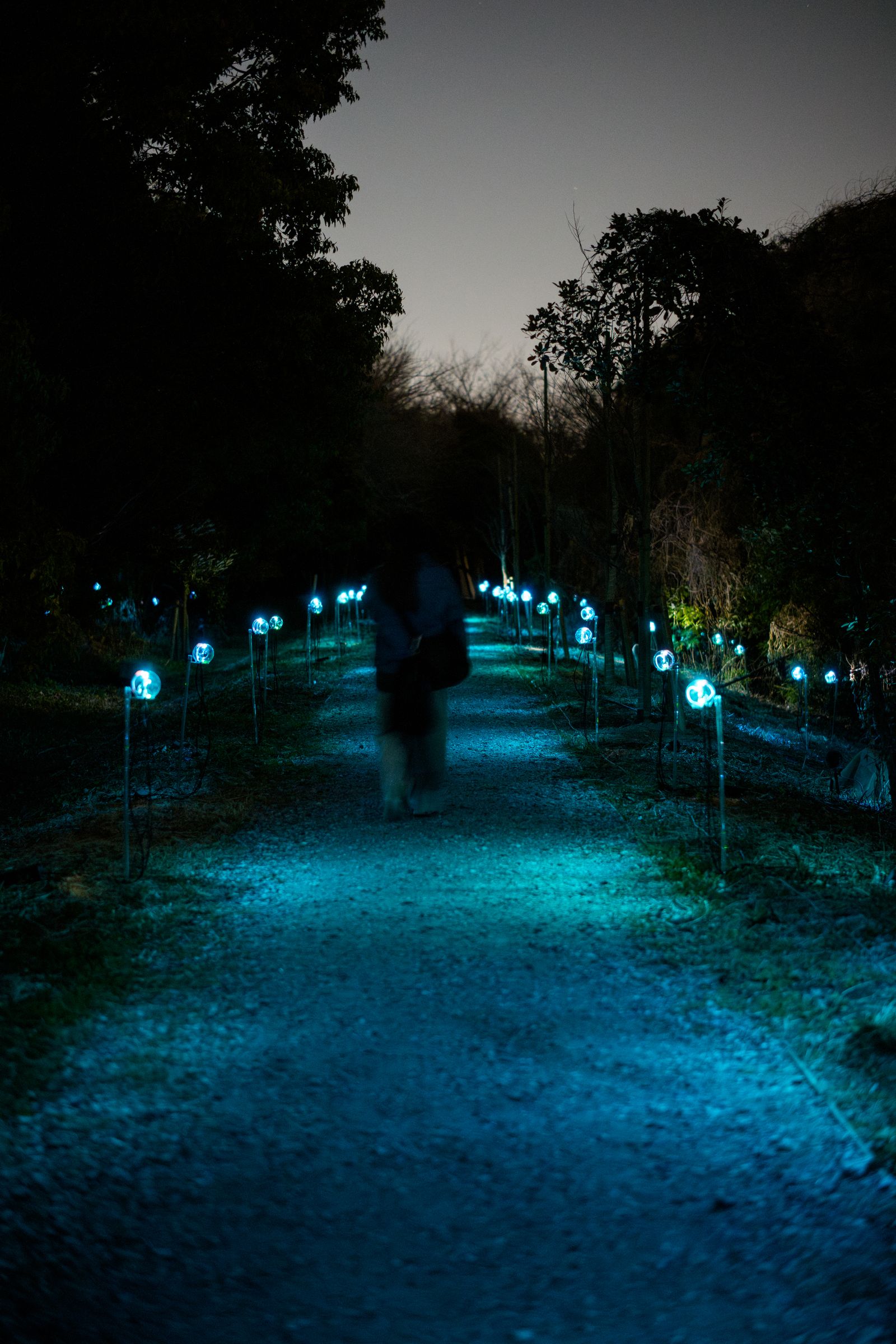
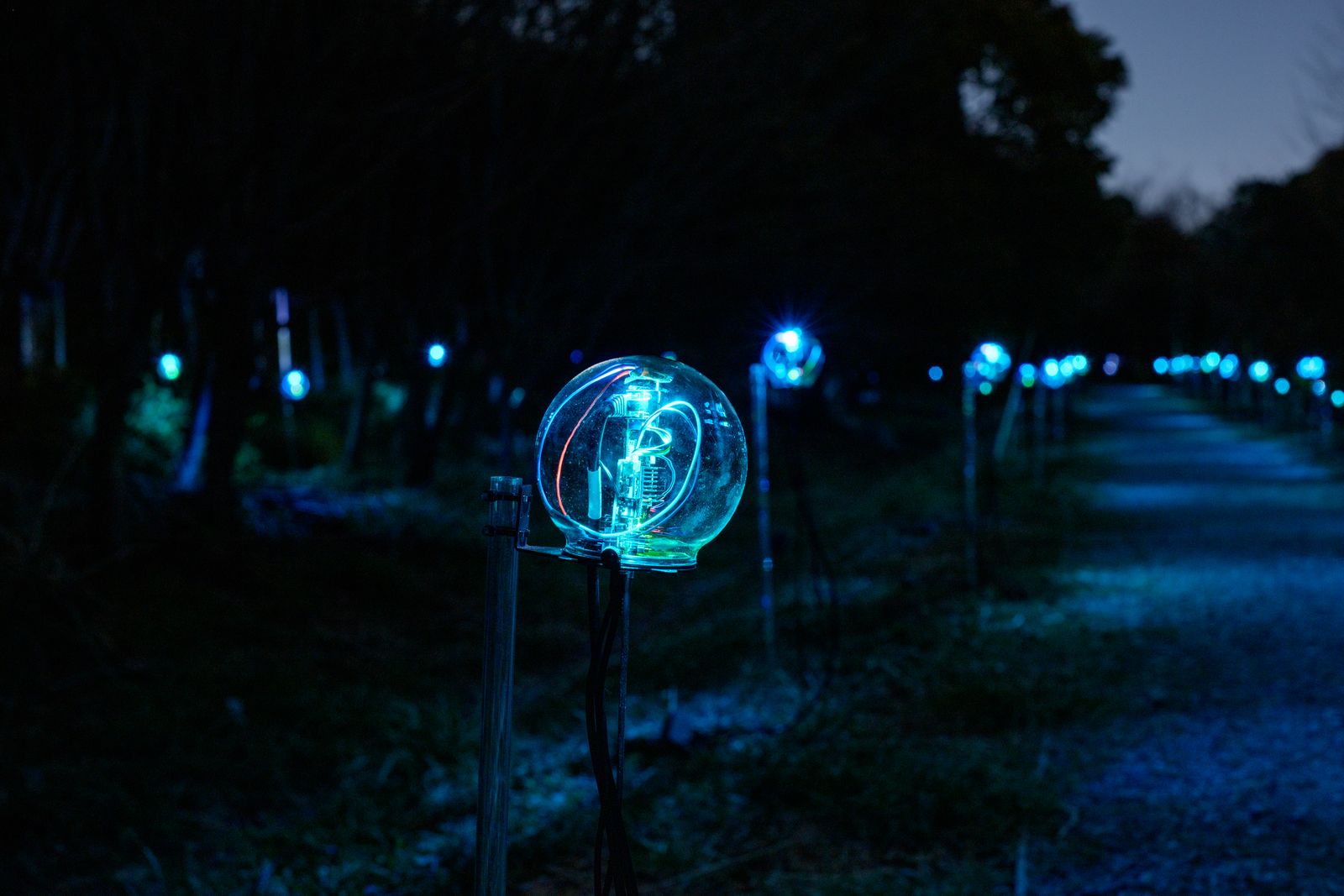
Photo: Naoki Takehisa撮影: 竹久直樹Photo : Naoki Takehisa
Credits
Concept / Direction / LLM Engineering: Yuma Kishi | Technical Direction / Hardware Engineering: Tatsuya Takemori (Abstract Engine) | Technical Project Management: Tomoyo Obata (Abstract Engine) | Software Engineering: Ryosuke Nakajima (Qosmo) | Sound Programming / Installation: Kosaku Namikawa (7ild3) | Lighting Design: Namiko Watanabe | Art Direction / Graphic Design: Heijiro Yagi | Research: Takahide Yoshida (The University of Tokyo), Koji Mizuno, Xuewei Luo (Tokyo University of the Arts) | Technical Support: Keito Shimizu (Tokyo University of the Arts) | Photography: Naoki Takehisa | Video Documentation: Kenji Agata | Admin Assistant / Technical Support: Saki Nagato | Project Support: √K Contemporary | Project Curation: MaryGPT | Production / Project Coordination: Shin Sumimoto (MoS Art) | Supported by: Civic Creative Base Tokyo [CCBT]