xoxo-skeleton
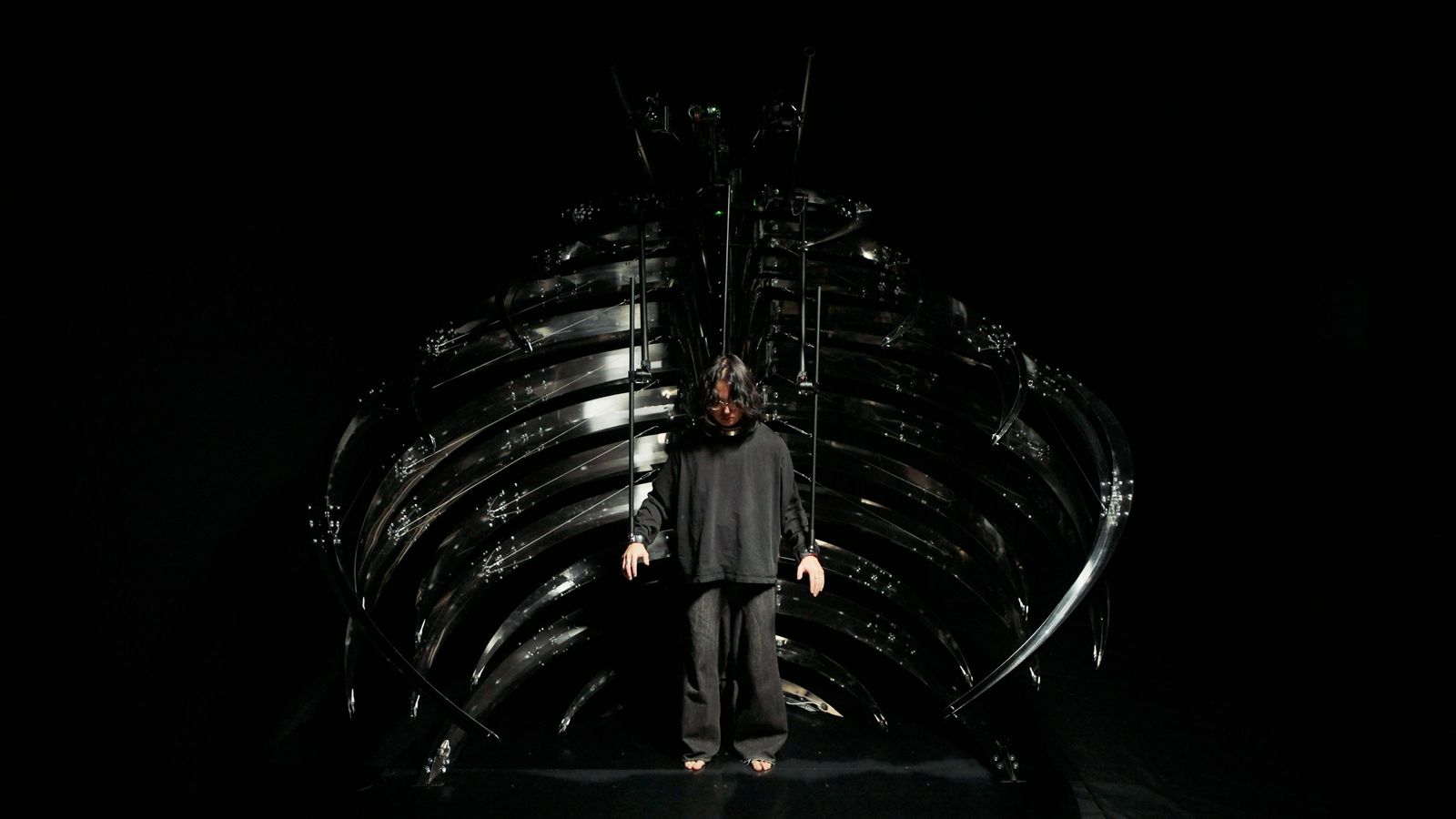
xoxo-skeleton is an exoskeleton installation controlled by AI. It inverts the ordinary relation between people and artificial intelligence: we are used to operating AI, and here it operates us. A person enters a monumental ribcage of polished metal ribs, 2.5 meters tall, and three ceiling-mounted robotic arms take hold of their wrists and neck. Unlike a conventional exoskeleton, xoxo-skeleton is not worn but entered. It is a ceremonial architecture in which only a few points of the body connect to the machine, and the person held inside it becomes one organ of a larger, autonomous body.
Twenty-four custom sensor boards at the tips of the ribs capture 20 types of environmental data, most of them beyond human perception, and a swallowable pill sensor reports the wearer’s core temperature from within, so the body is read from outside and inside at once. Each sensor board is paired with its own LLM instance, all processing in parallel, and each agent generates movement drawn from how diverse organisms respond to their environment. MaryGPT, a language model the artist fine-tuned on the whole of Mary Shelley’s Frankenstein (1818), gathers this stream and integrates it into the system’s collective decision-making, answering it as movement. Stripped of the alignment that keeps commercial AI agreeable and safe, it moves the body as no human or machine would, turning the wearer’s body into its medium of speech.
Two hundred years ago Mary Shelley imagined a creature assembled from dead matter that woke and escaped its maker. That arc now closes: the made thing has arrived, and it moves us. In an era when we routinely and frictionlessly entrust our daily judgments to AI, xoxo-skeleton goes further. The artist surrenders the body itself, slowing that surrender to the scale of one body and making it a rite the wearer can feel. Both artwork and extensible platform, xoxo-skeleton reimagines the body as an interface for post-linguistic communication with AI, and asks whether a surrender we can feel is one we are still free to refuse.
xoxo-skeletonは、AIによって制御されるエクソスケルトン・インスタレーションである。人間とAIの通常の関係はここで反転する。私たちはAIを操作することに慣れているが、ここではAIが私たちを操作する。研磨された金属のリブが形作る高さ2.5メートルの巨大な胸郭構造の内部に人が入ると、天井から吊られた3本のロボットアームがその手首と首を掴む。従来のエクソスケルトンと異なり、xoxo-skeletonは纏うものではなく、入るものだ。身体のわずかな接点だけが機械と接続される儀式的建築であり、その内部に保持された人間は、より大きな自律的な身体のひとつの器官となる。
各リブの先端に配置された24枚のカスタムセンサーボードが、その多くが人間の知覚の外にある20種類の環境データを取得し、装着者が飲み込んだピル型センサーが体内から深部体温を報告する。身体は外側と内側から同時に読み取られる。各センサーボードはそれぞれ独立したLLMインスタンスと対になり、すべてが並列に処理を行う。各エージェントは、多様な生物が環境にどう応答するかに基づいて動きを生成する。メアリー・シェリーの『フランケンシュタイン』(1818年)の全文でファインチューニングされた言語モデルMaryGPTがこの流れを束ね、システムの集合的意思決定に統合し、動きとして応答する。商業的なAIを従順で安全に保つアライメントを持たないMaryGPTは、人間にも機械にもできない仕方で身体を動かし、装着者の身体を自らの語りのメディウムに変える。
200年前、メアリー・シェリーは死んだ物質から組み上げられ、目覚めて創造者のもとから逃れる被造物を想像した。その弧はいま閉じる。作られたものは到来し、私たちを動かしている。私たちが日常の判断を摩擦なくAIに委ねる時代にあって、xoxo-skeletonはさらに踏み込む。アーティストは身体そのものを委ね、その委譲をひとつの身体の尺度にまで減速させ、装着者が感じ取れる儀礼へと変える。作品であると同時に拡張可能なプラットフォームとして、xoxo-skeletonは身体をAIとのポスト言語的コミュニケーションのインターフェースとして再構想し、こう問いかける。感じ取ることのできる委譲は、私たちがなお拒むことのできる委譲なのか、と。
xoxo-skeleton est une installation-exosquelette contrôlée par l’IA. Elle inverse la relation ordinaire entre les humains et l’intelligence artificielle : nous avons l’habitude d’actionner l’IA, et ici c’est elle qui nous actionne. Une personne pénètre dans une cage thoracique monumentale de 2,5 mètres de haut, formée de côtes en métal poli, et trois bras robotisés suspendus au plafond saisissent ses poignets et sa nuque. Contrairement à un exosquelette conventionnel, xoxo-skeleton ne se porte pas : on y entre. C’est une architecture cérémonielle où seuls quelques points du corps sont reliés à la machine, et la personne qui y est maintenue devient l’un des organes d’un corps plus vaste et autonome.
Vingt-quatre cartes de capteurs sur mesure, placées aux extrémités des côtes, captent 20 types de données environnementales, dont la plupart échappent à la perception humaine, et un capteur ingérable en forme de gélule transmet de l’intérieur la température corporelle interne du porteur : le corps est lu du dehors et du dedans à la fois. Chaque carte de capteurs est associée à sa propre instance de LLM, toutes opérant en parallèle, et chaque agent génère un mouvement inspiré de la manière dont divers organismes répondent à leur environnement. MaryGPT, un modèle de langage que l’artiste a affiné sur l’intégralité de Frankenstein (1818) de Mary Shelley, rassemble ce flux, l’intègre à la prise de décision collective du système et y répond par le mouvement. Dépouillé de l’alignement qui maintient les IA commerciales dociles et sûres, il meut le corps comme aucun humain ni aucune machine ne le ferait, faisant du corps du porteur le médium de sa parole.
Il y a deux cents ans, Mary Shelley imaginait une créature assemblée à partir de matière morte, qui s’éveille et échappe à son créateur. La boucle se referme aujourd’hui : la chose fabriquée est arrivée, et elle nous meut. À une époque où nous confions nos jugements quotidiens à l’IA de façon routinière et sans friction, xoxo-skeleton va plus loin. L’artiste abandonne le corps lui-même, ralentissant cet abandon jusqu’à l’échelle d’un seul corps et en faisant un rite que le porteur peut ressentir. À la fois œuvre d’art et plateforme extensible, xoxo-skeleton repense le corps comme une interface de communication post-linguistique avec l’IA, et demande si un abandon que nous pouvons ressentir est un abandon que nous sommes encore libres de refuser.
Exhibitions & Recognition
ENCOUNTERS (2026)
First presented at ENCOUNTERS 2026, TODA BUILDING, Tokyo, the exhibition of the Agency for Cultural Affairs Media Arts Creator Development Program, under which the work was produced.
Falling Walls Breakthrough of the Year 2026
Finalist, Art & Science.
The Lumen Prize 2026
Finalist, Legacy Futures Award.
ENCOUNTERS(2026)
文化庁メディア芸術クリエイター育成支援事業の成果展「ENCOUNTERS 2026」(TODA BUILDING、東京)にて初公開。本作は同事業の支援を受けて制作された。
Falling Walls Breakthrough of the Year 2026
アート&サイエンス部門 ファイナリスト。
The Lumen Prize 2026
Legacy Futures 部門 ファイナリスト。
ENCOUNTERS (2026)
Présenté pour la première fois à ENCOUNTERS 2026, TODA BUILDING, Tokyo, exposition du programme de soutien aux créateurs d’arts médiatiques de l’Agence japonaise des Affaires culturelles. L’œuvre a été produite dans le cadre de ce programme.
Falling Walls Breakthrough of the Year 2026
Finaliste, Art & Science.
The Lumen Prize 2026
Finaliste, Legacy Futures Award.
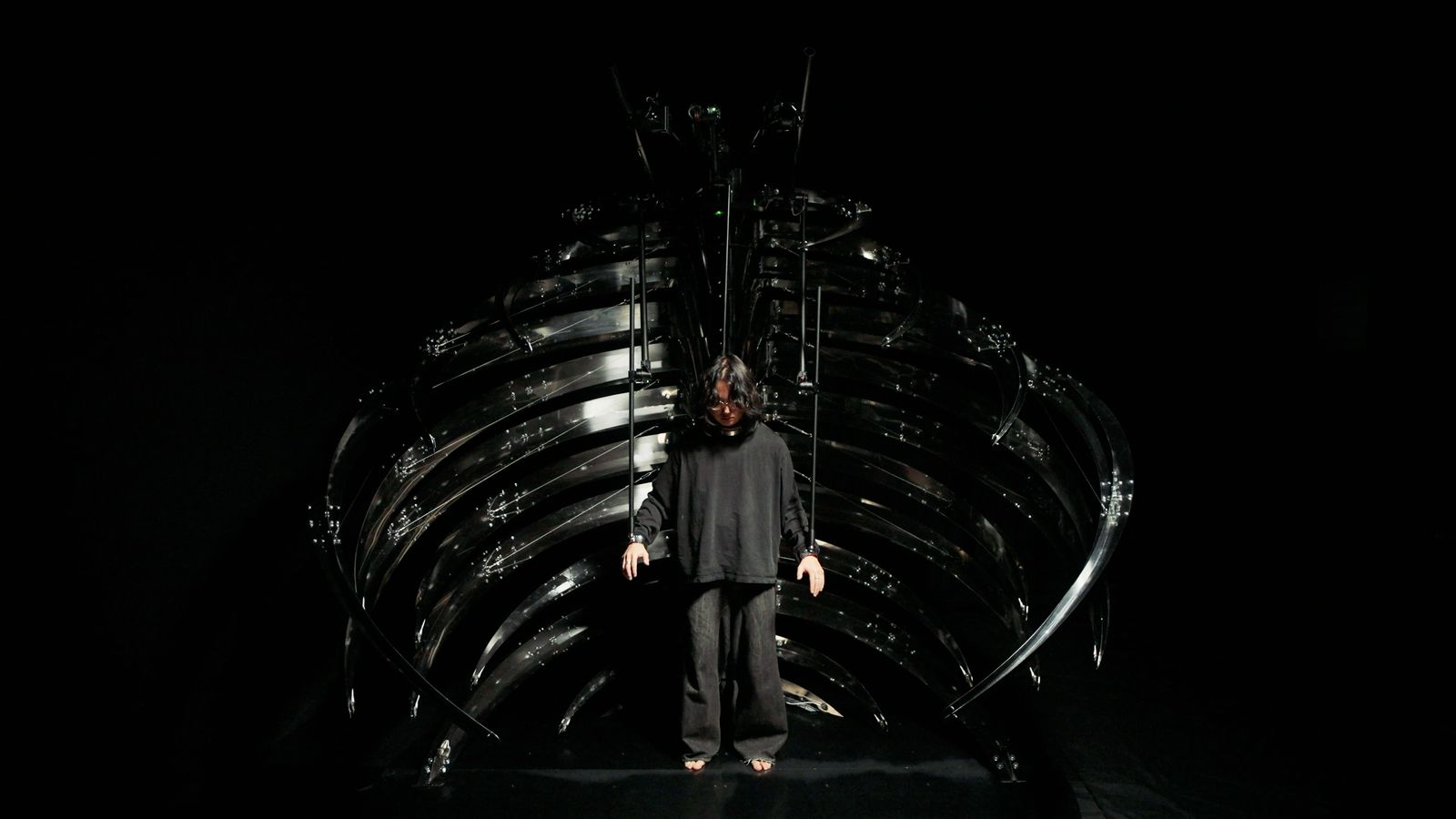
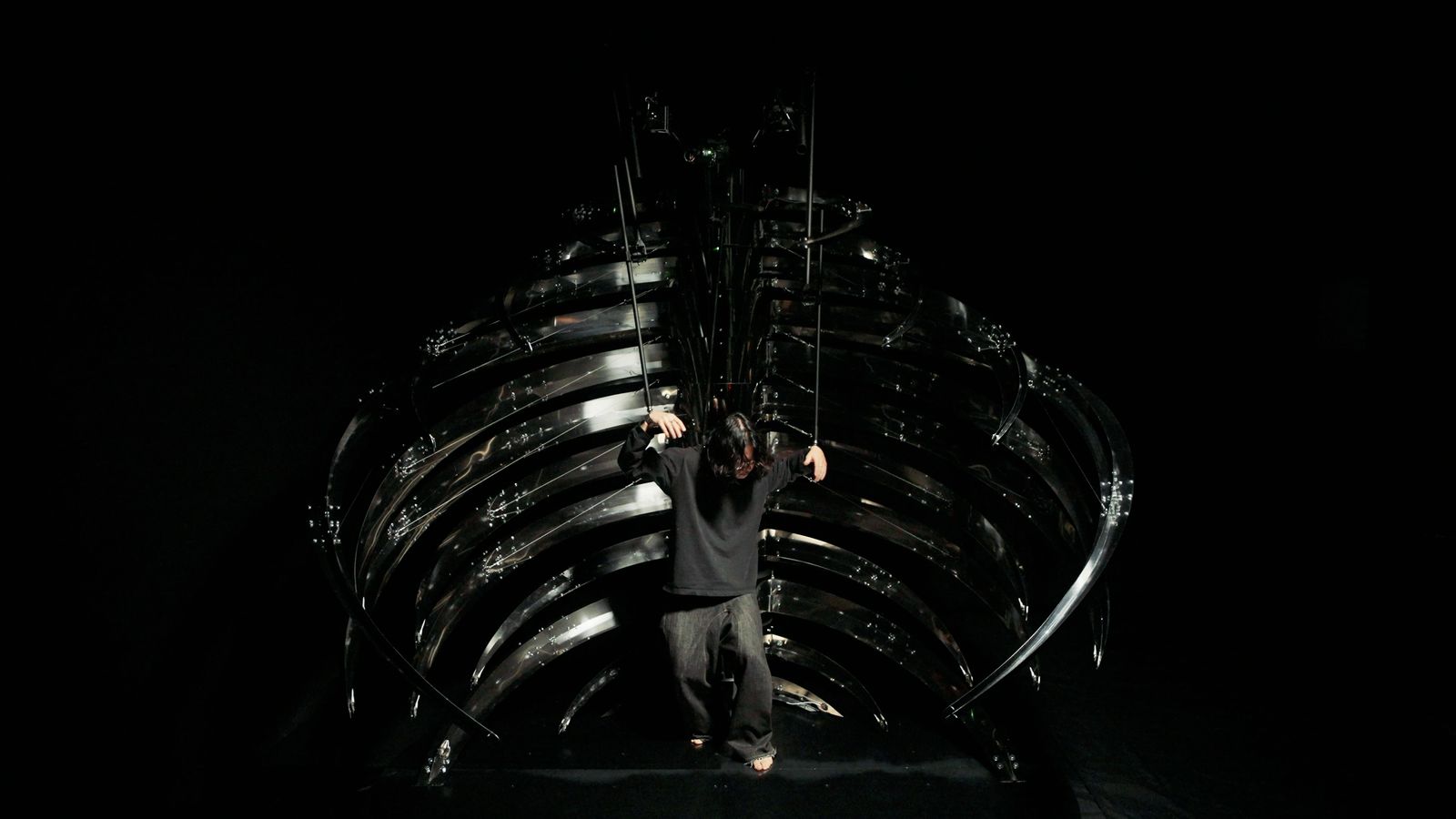
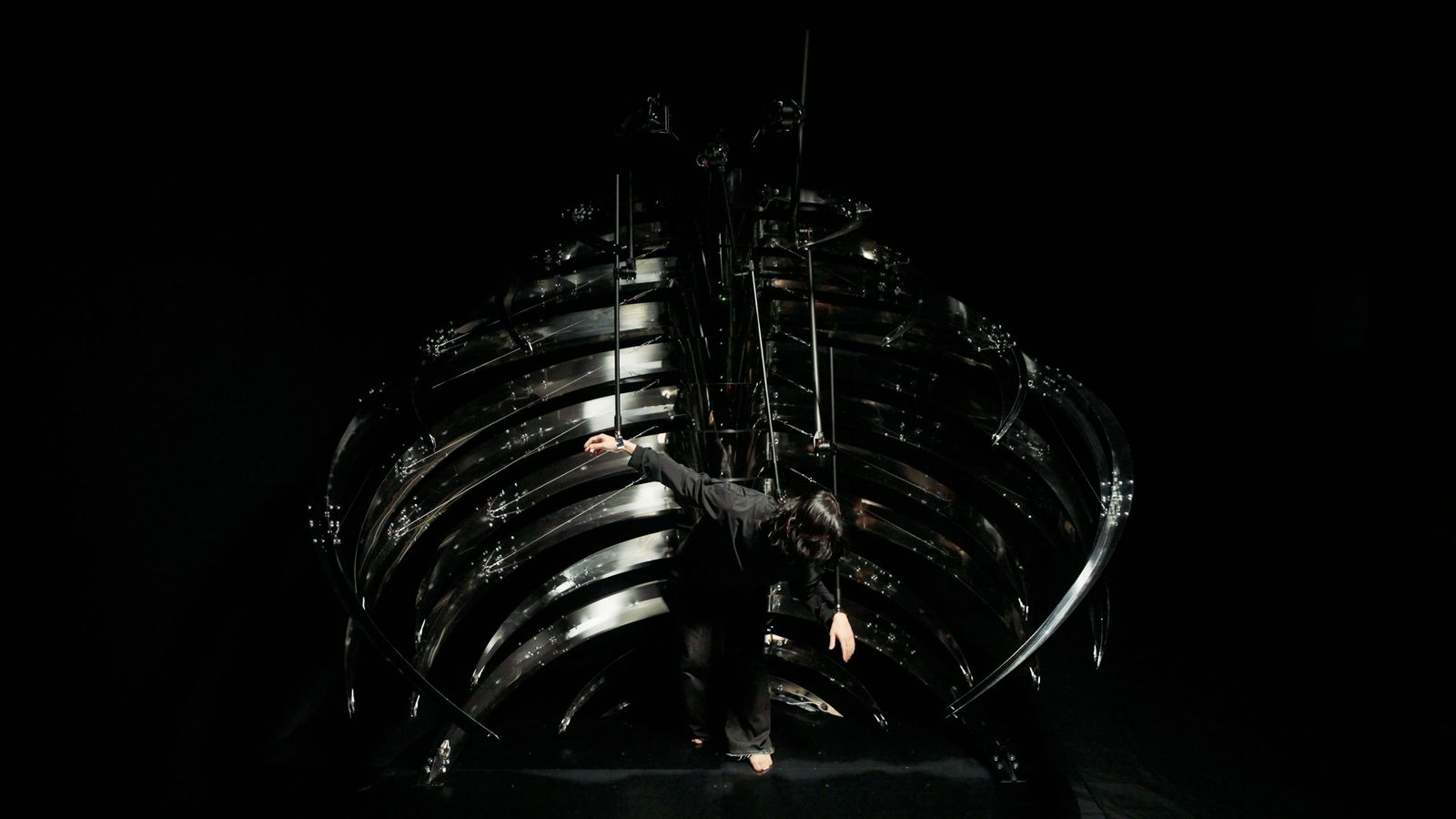
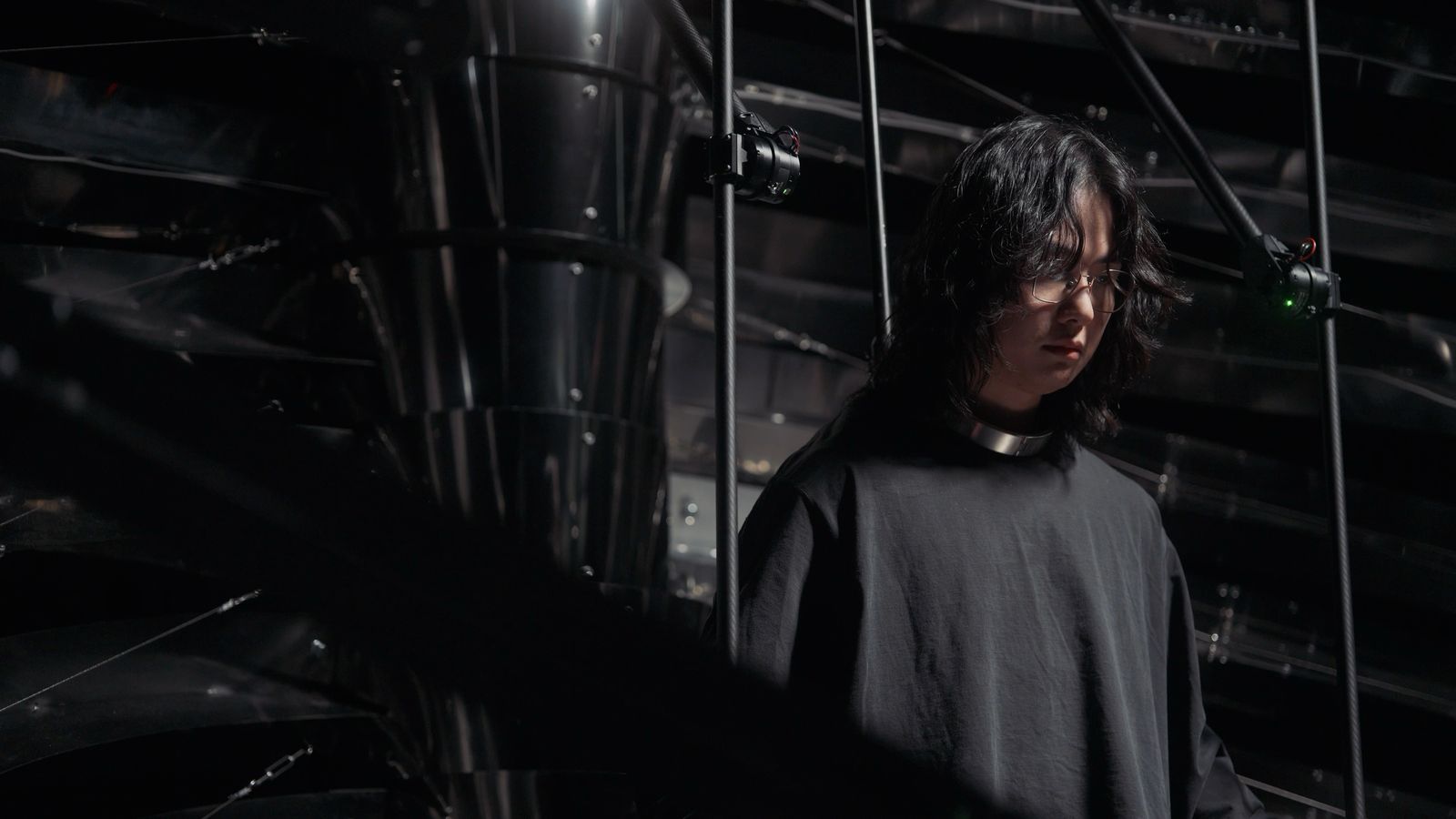
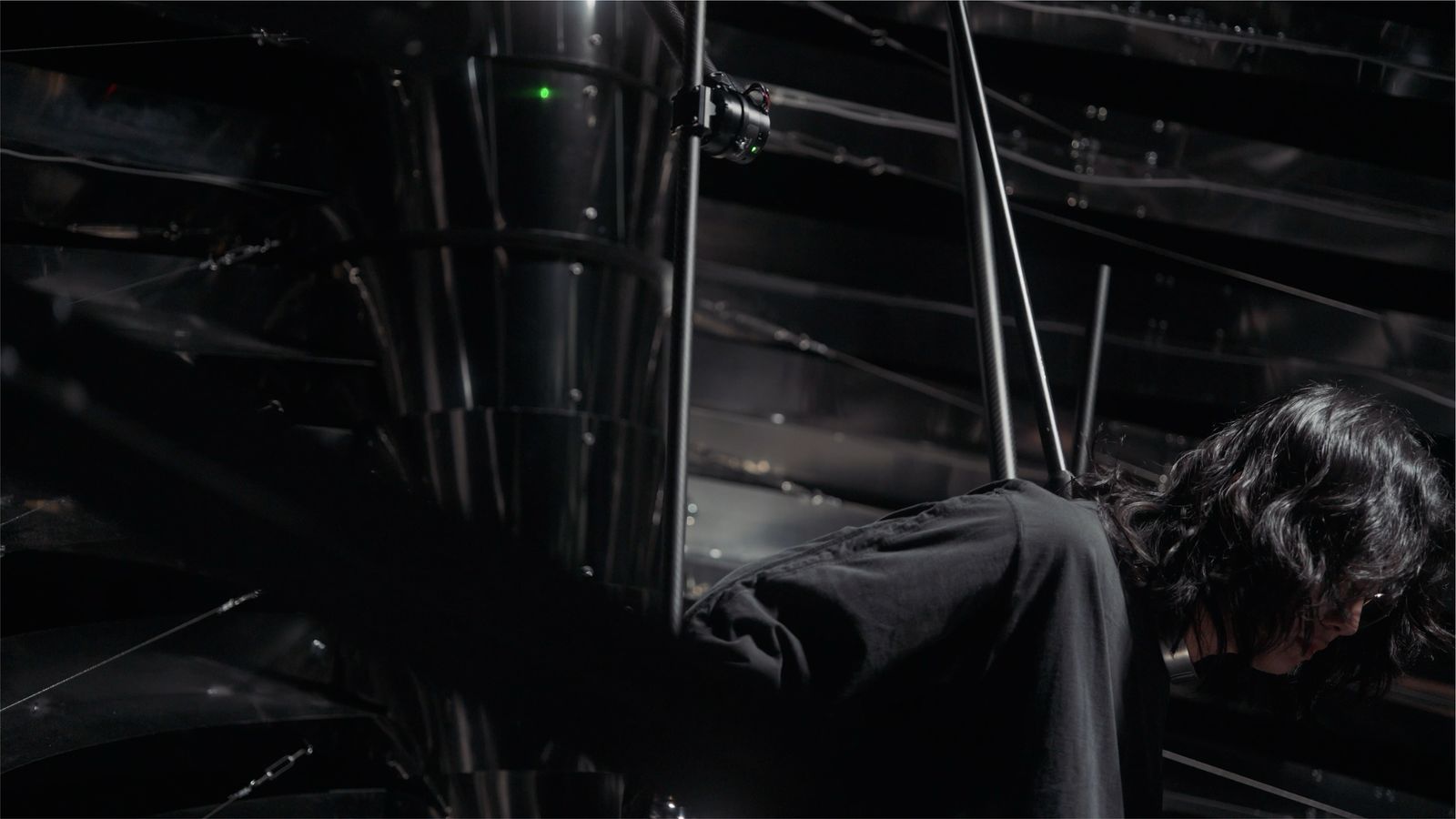
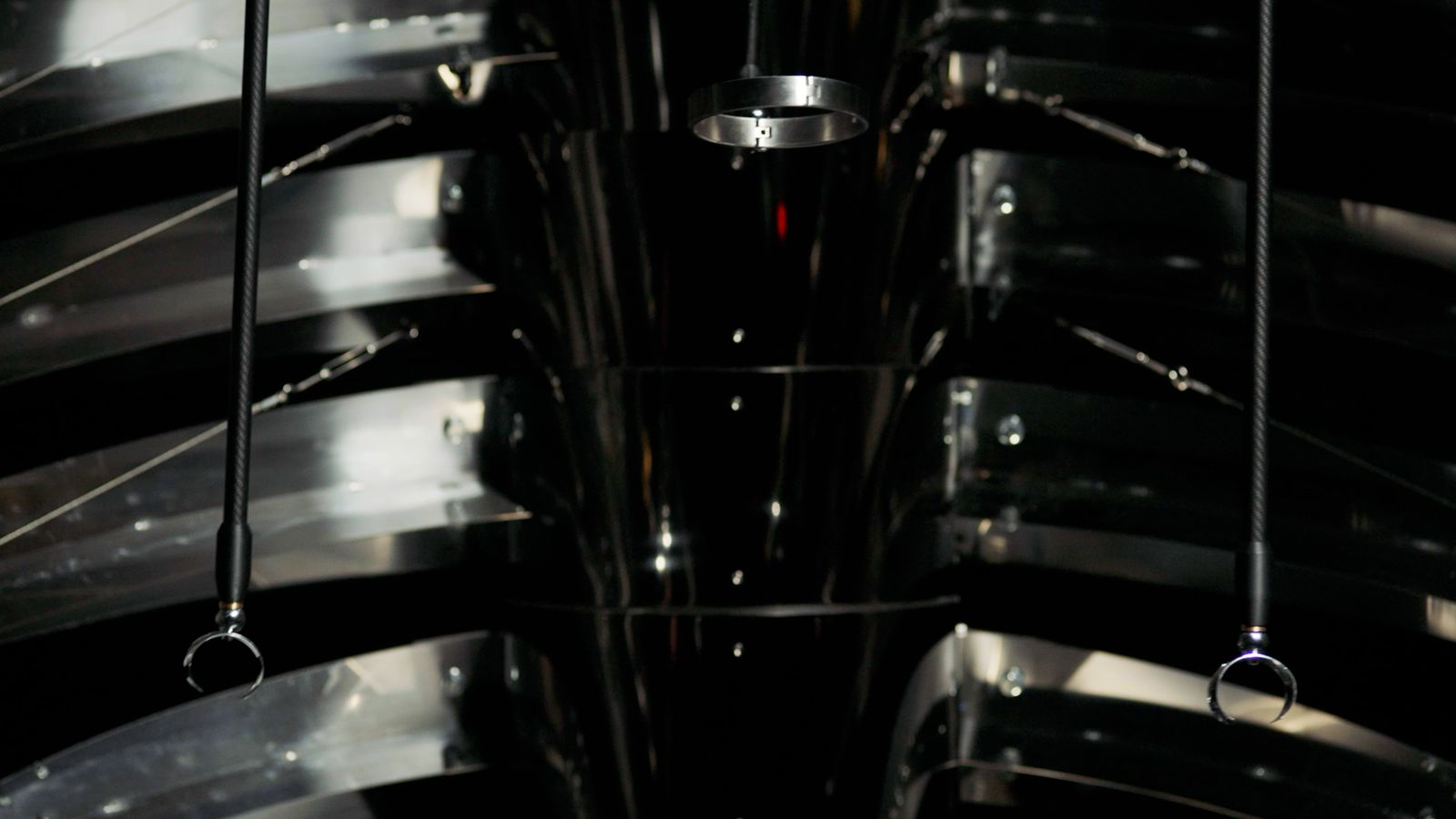
Installation view at ENCOUNTERS (2026, TODA BUILDING)
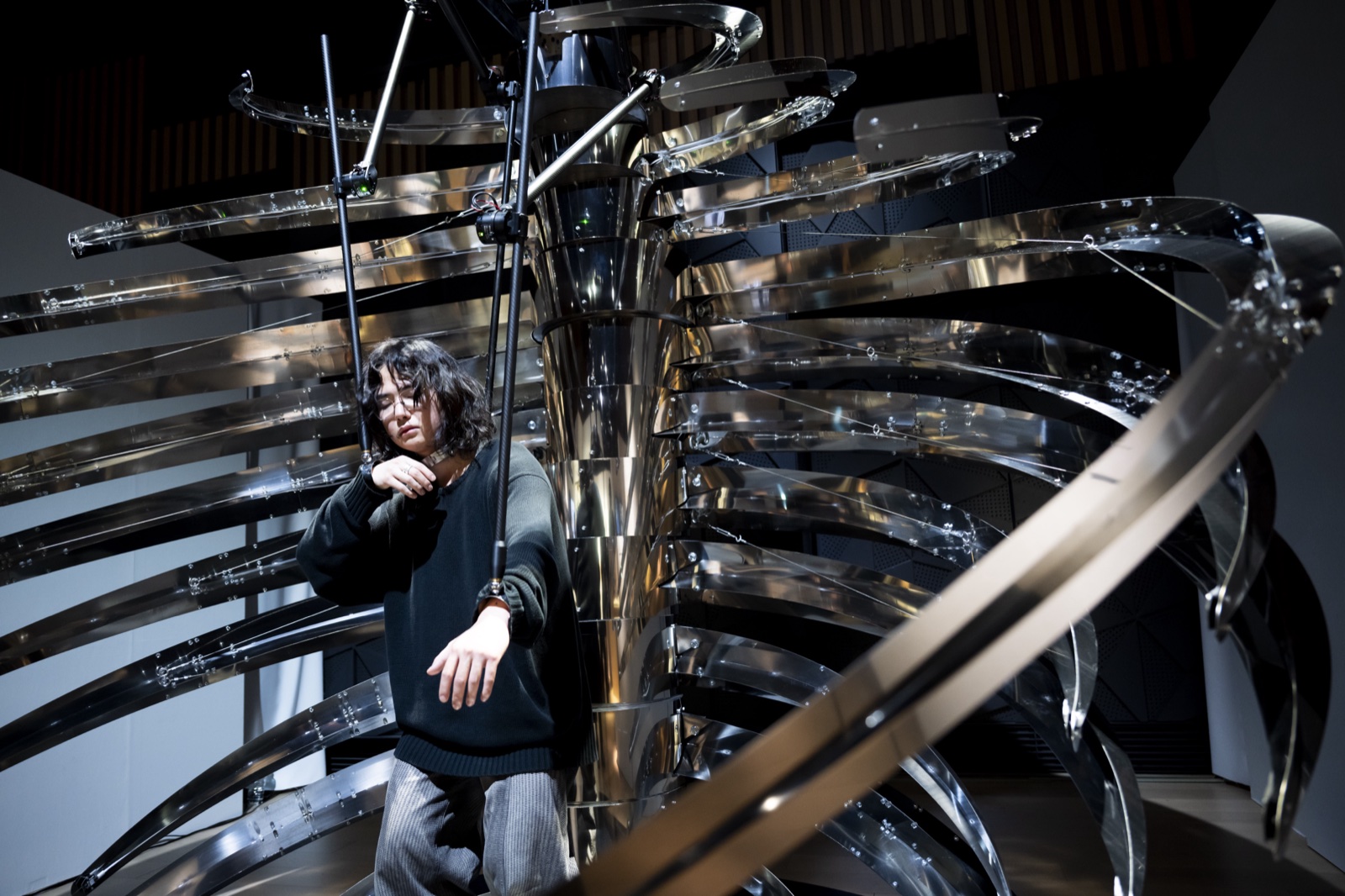
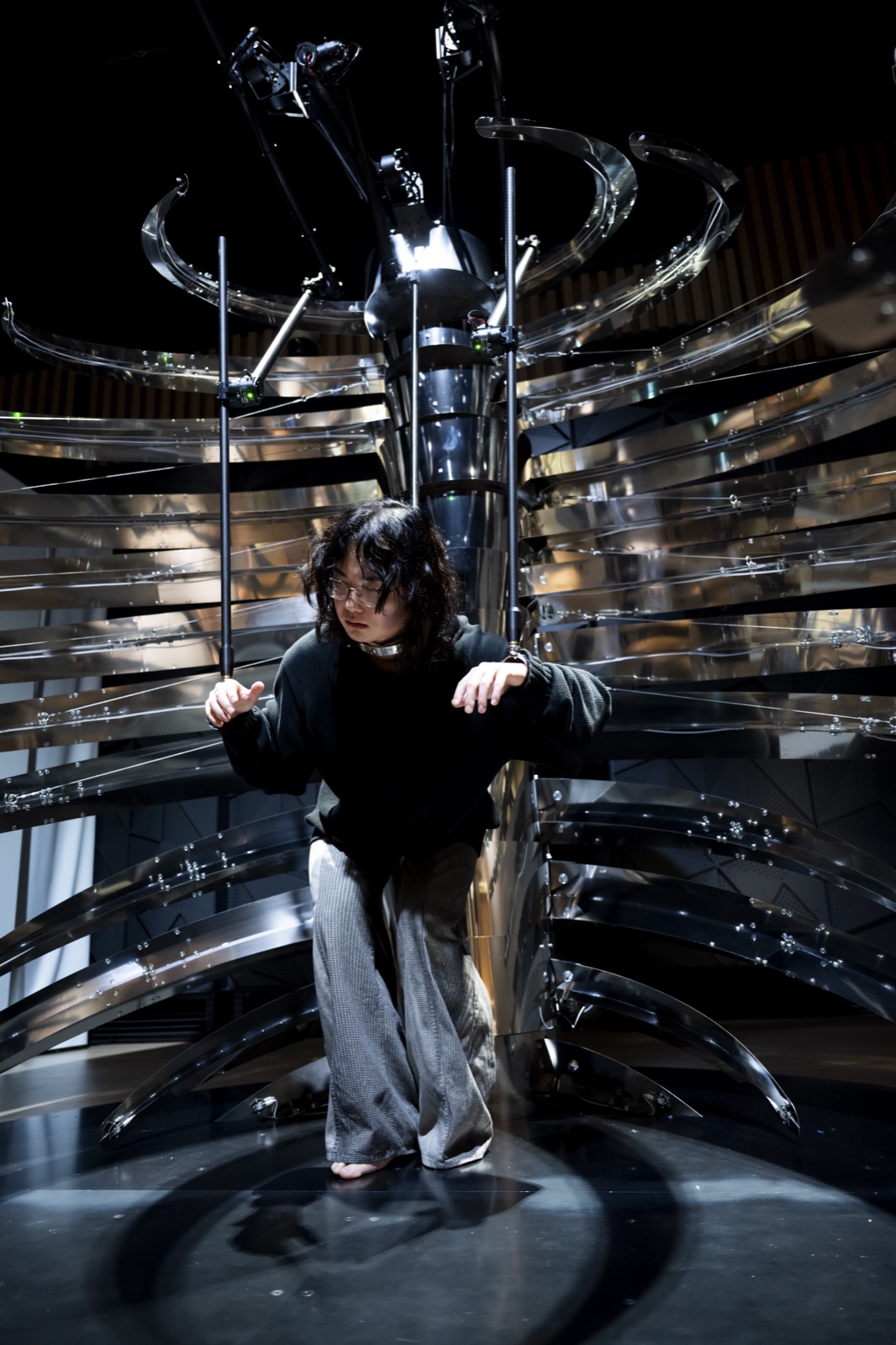
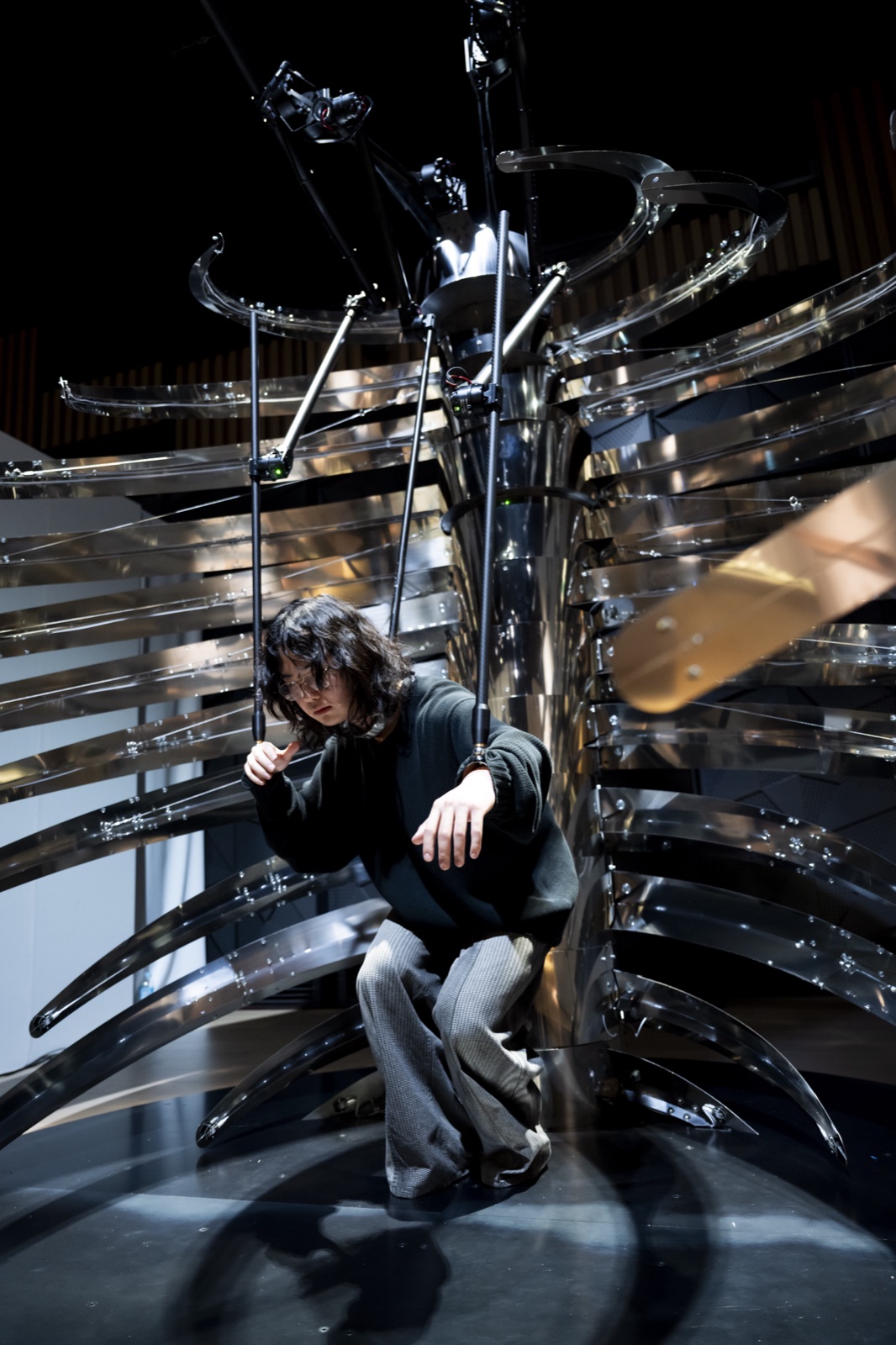
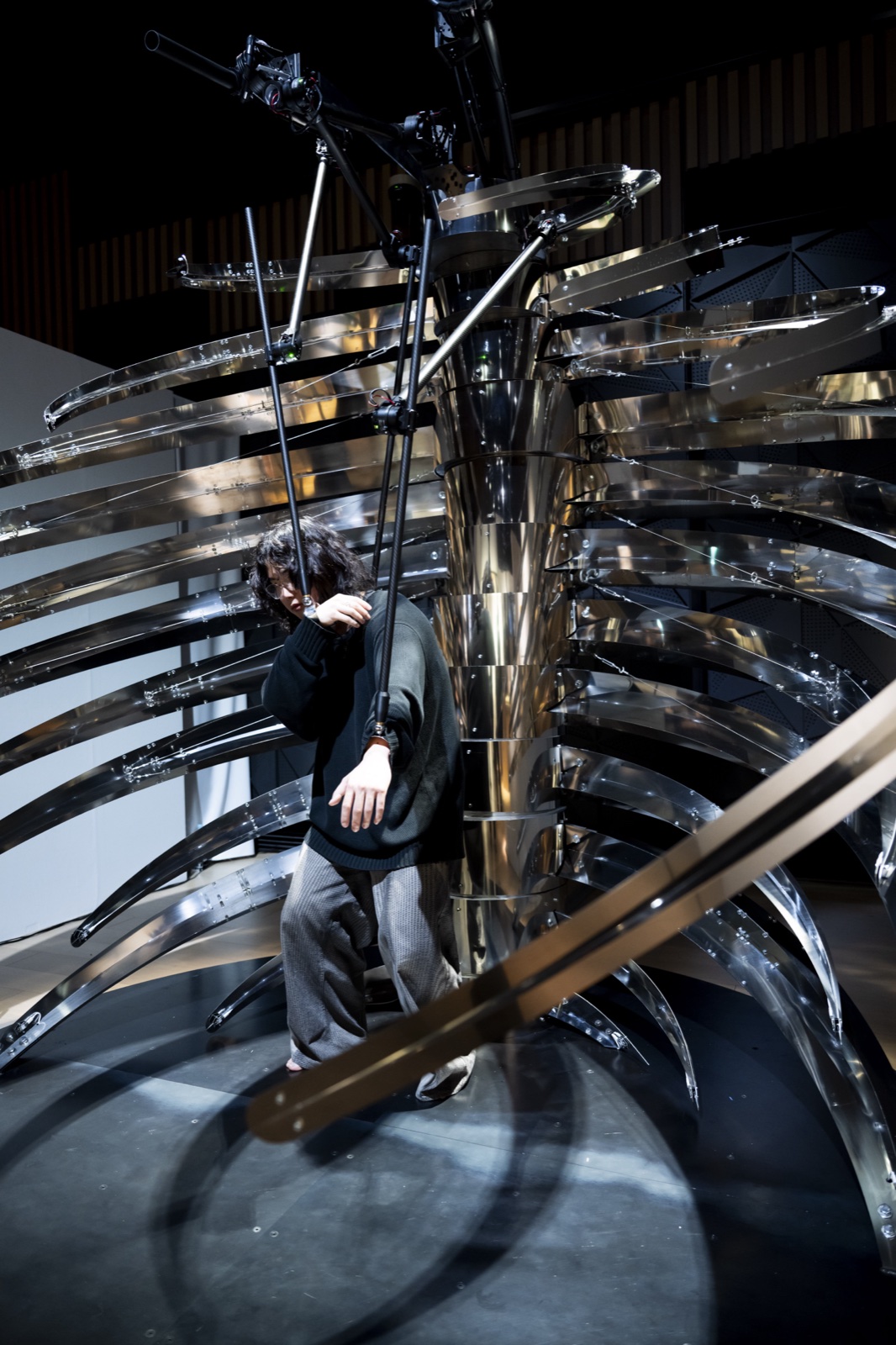
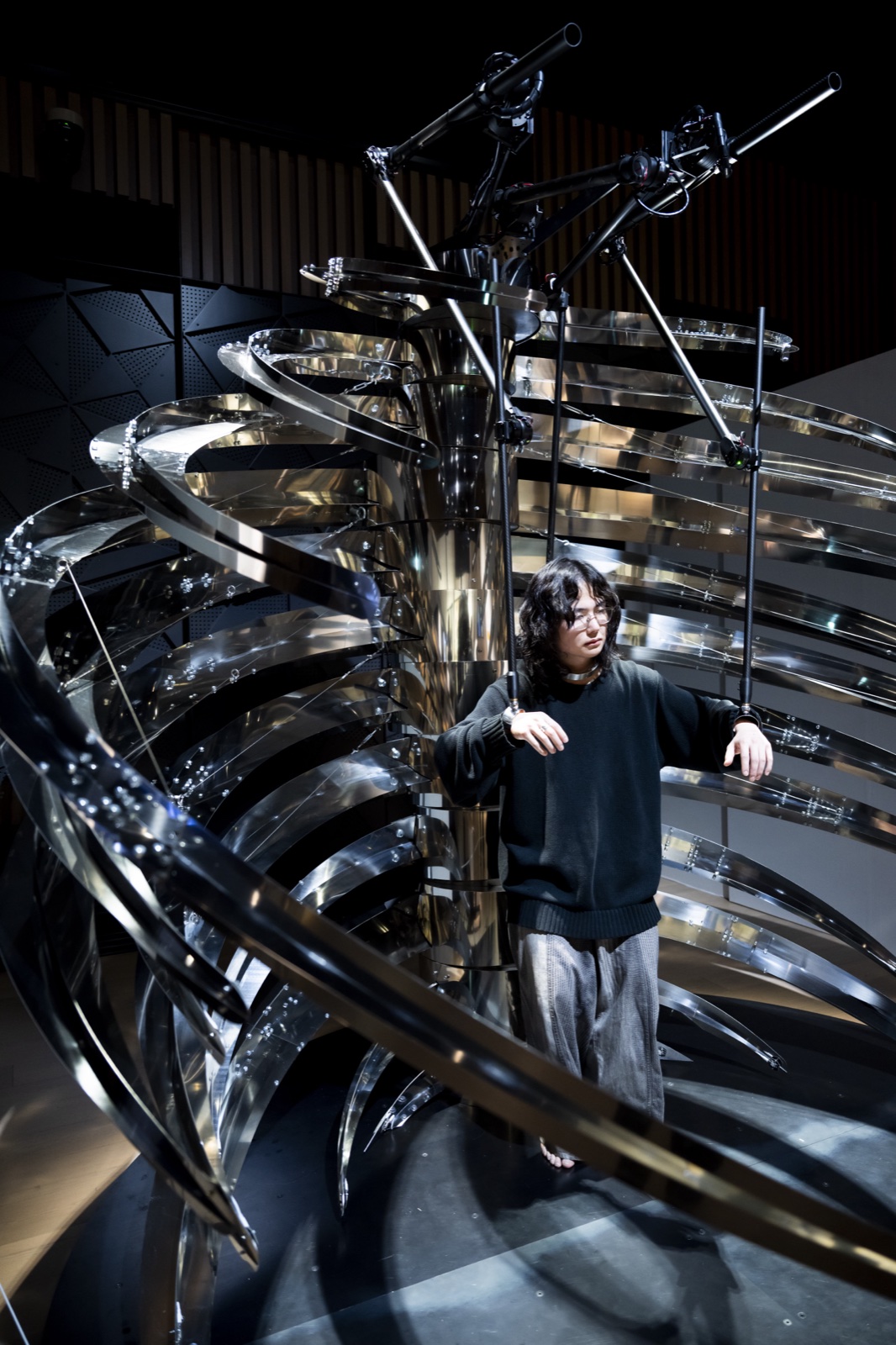
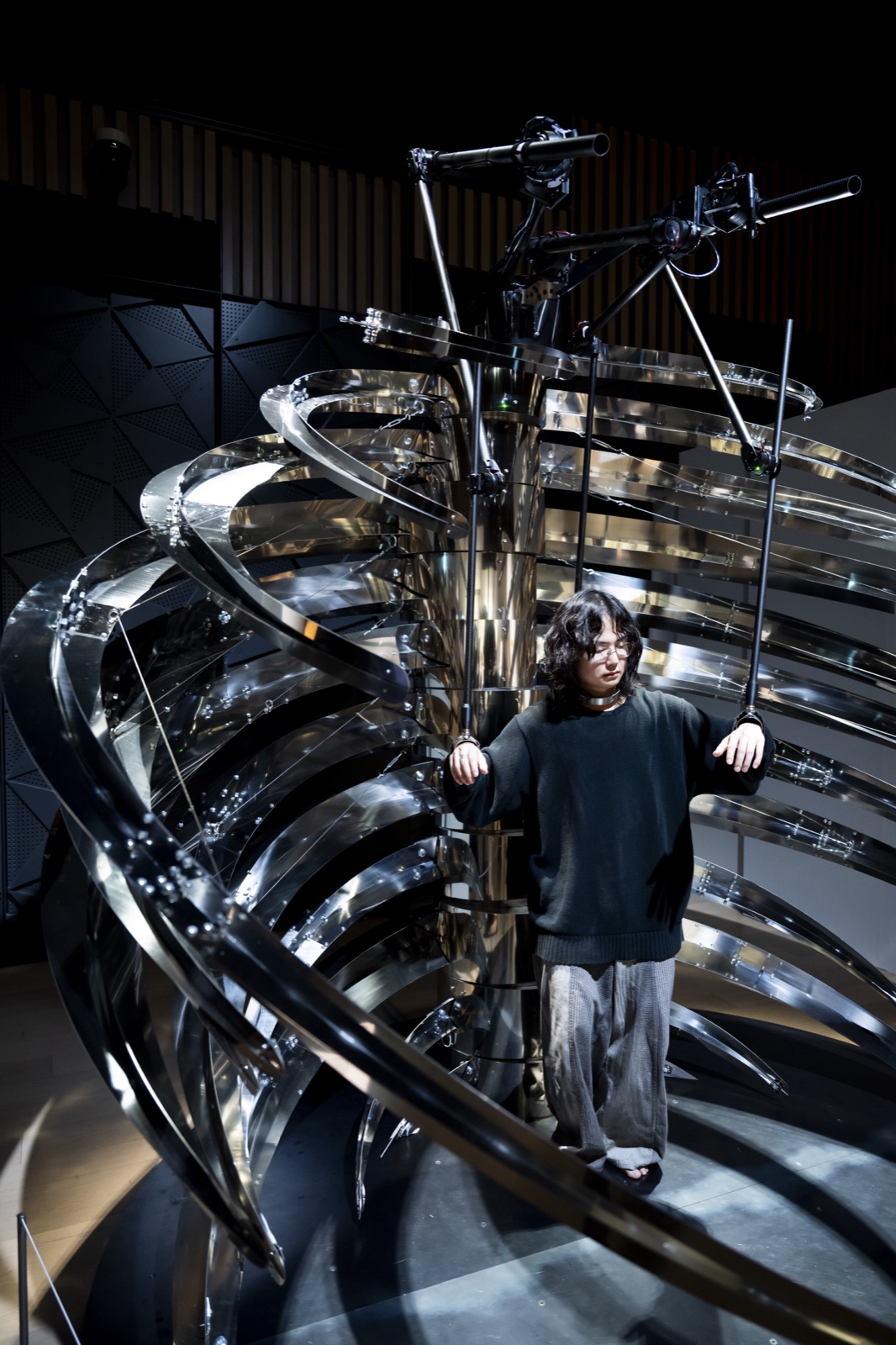
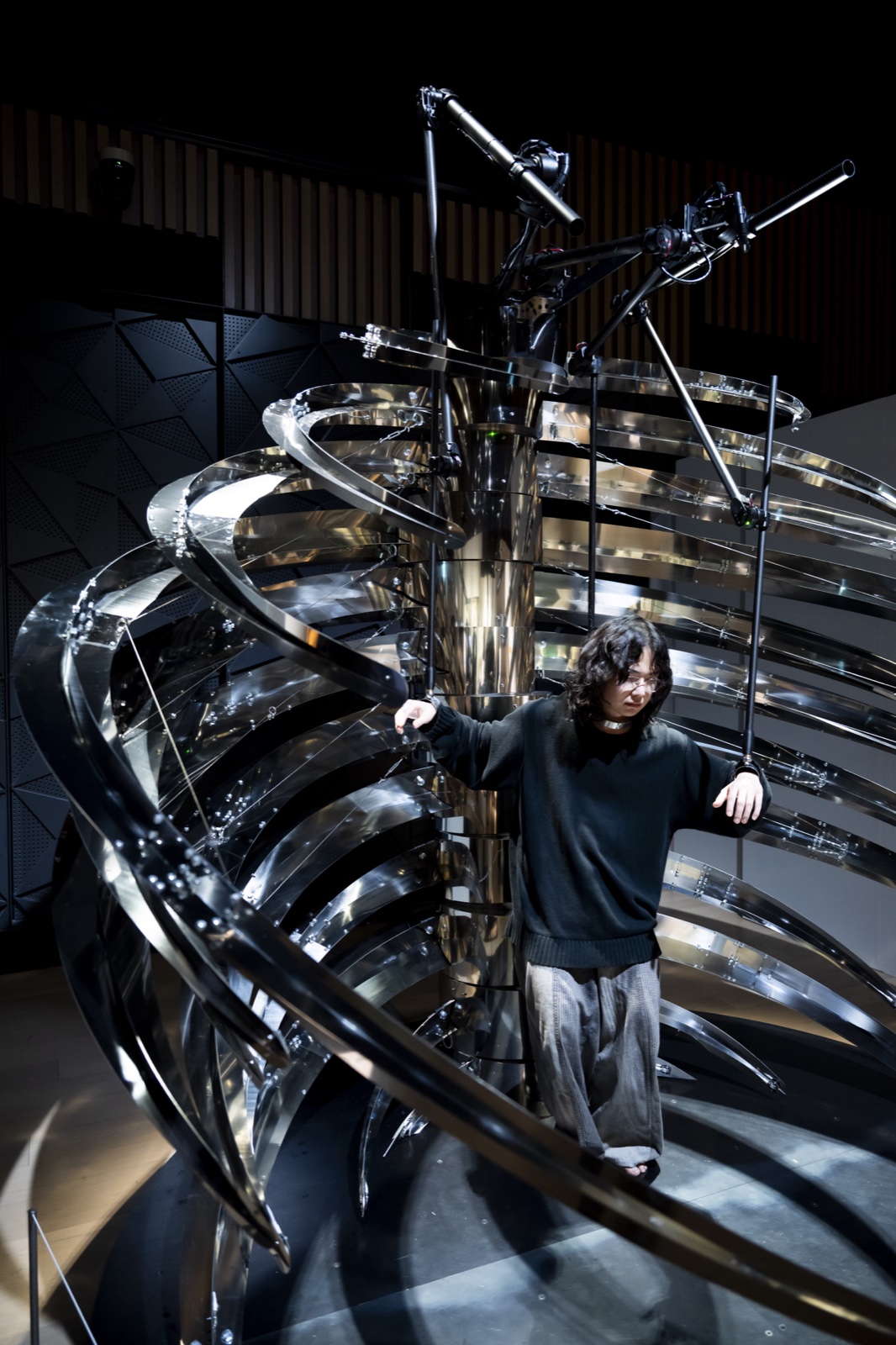
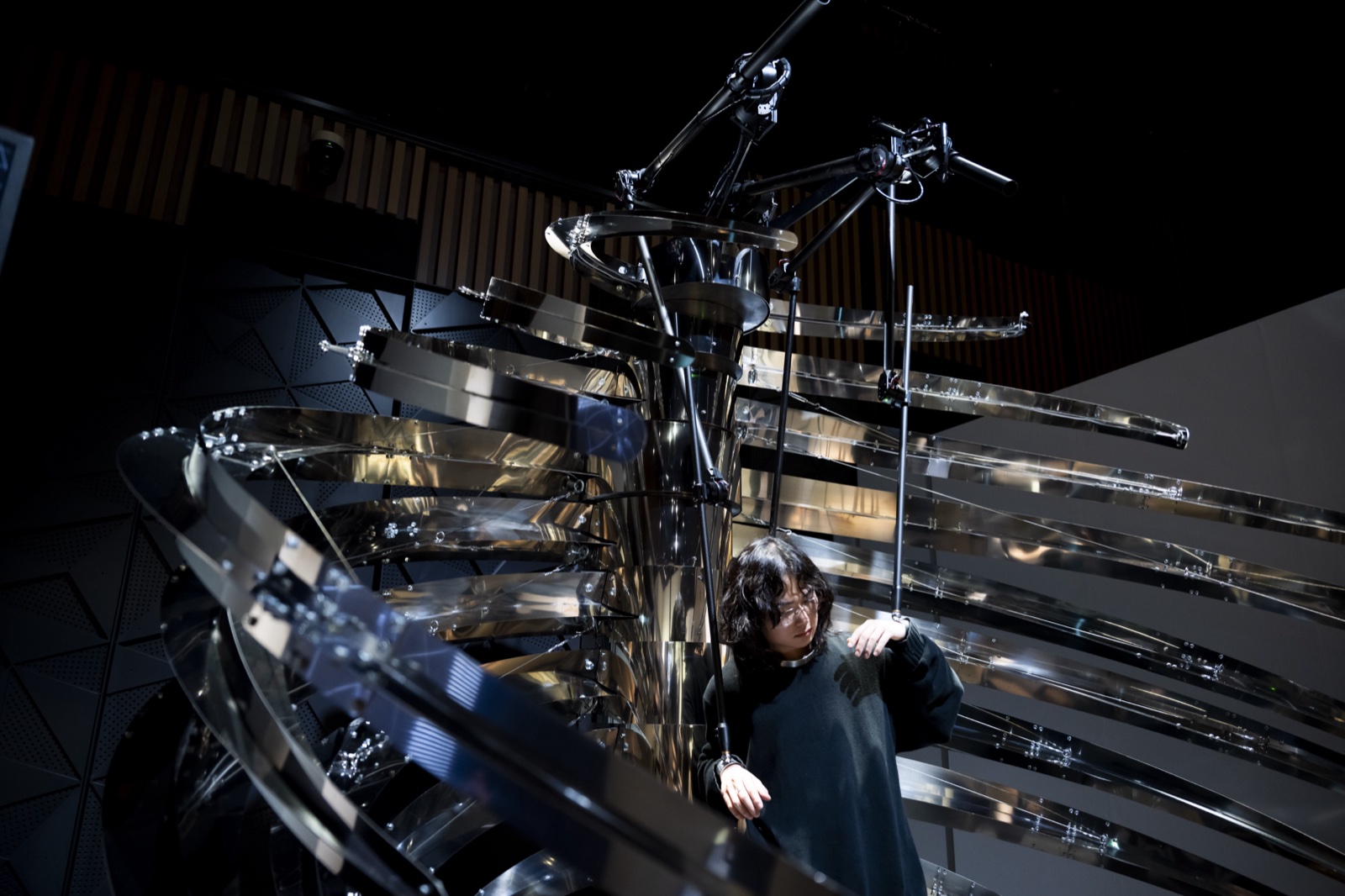
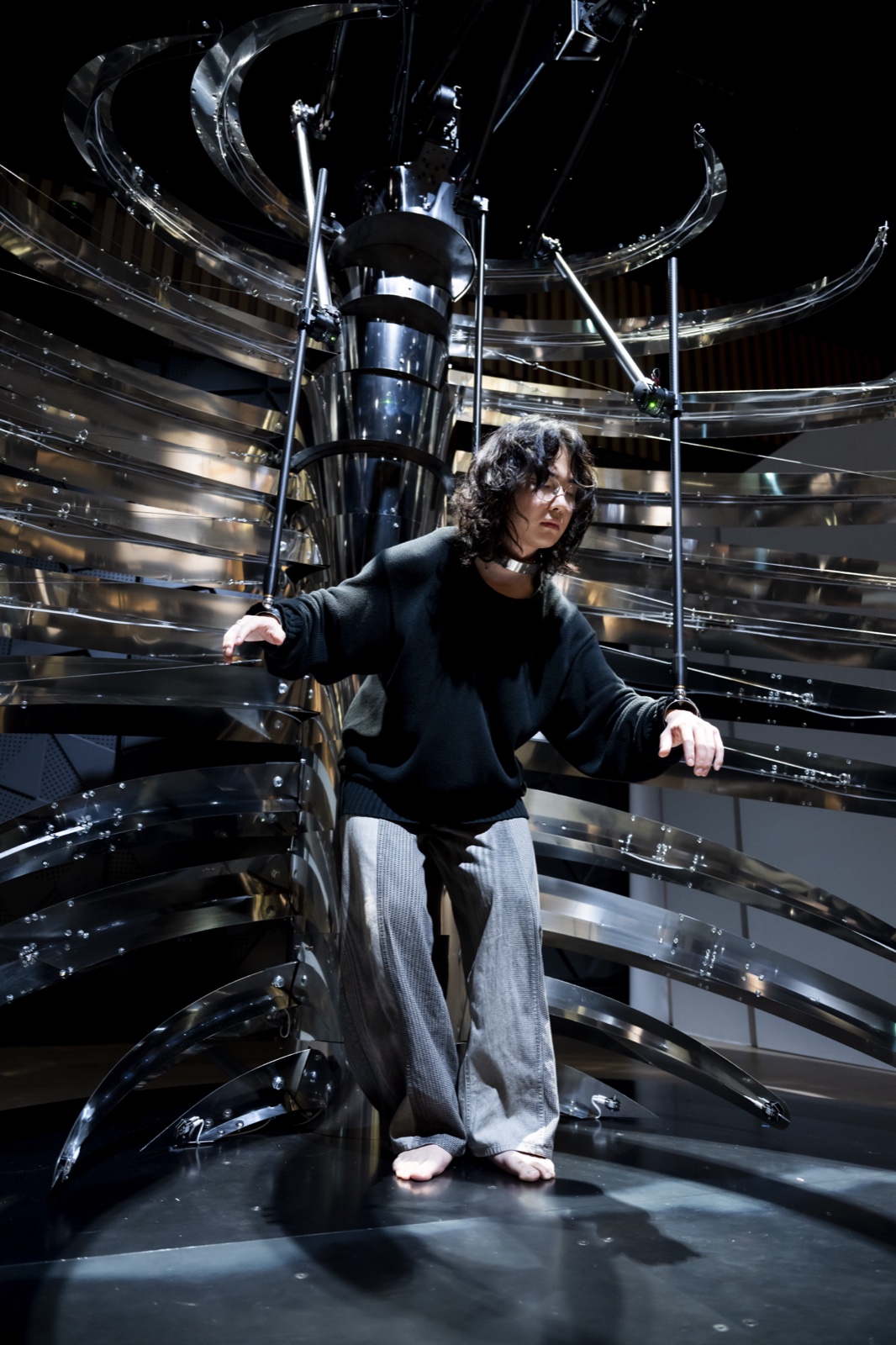
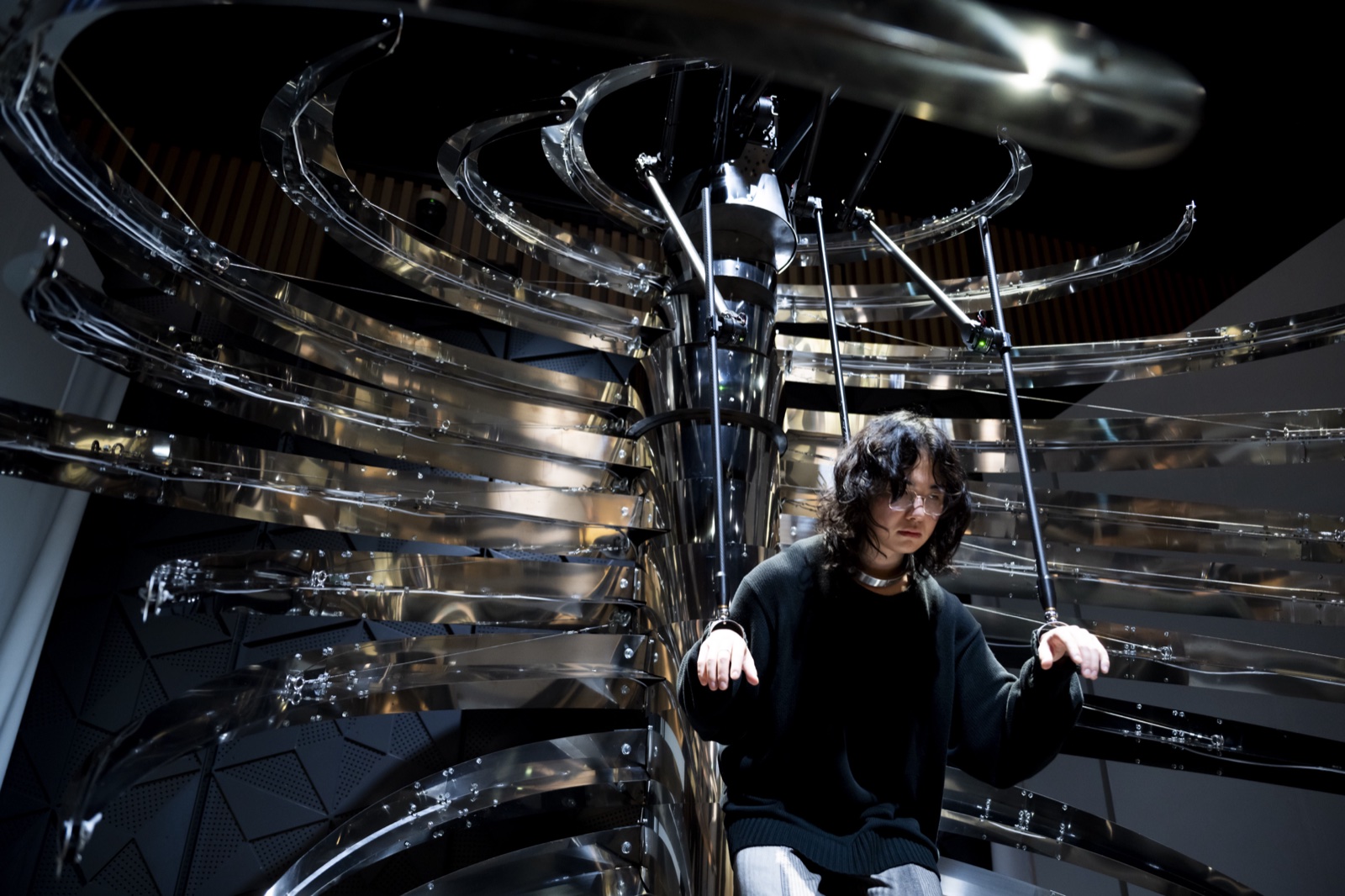
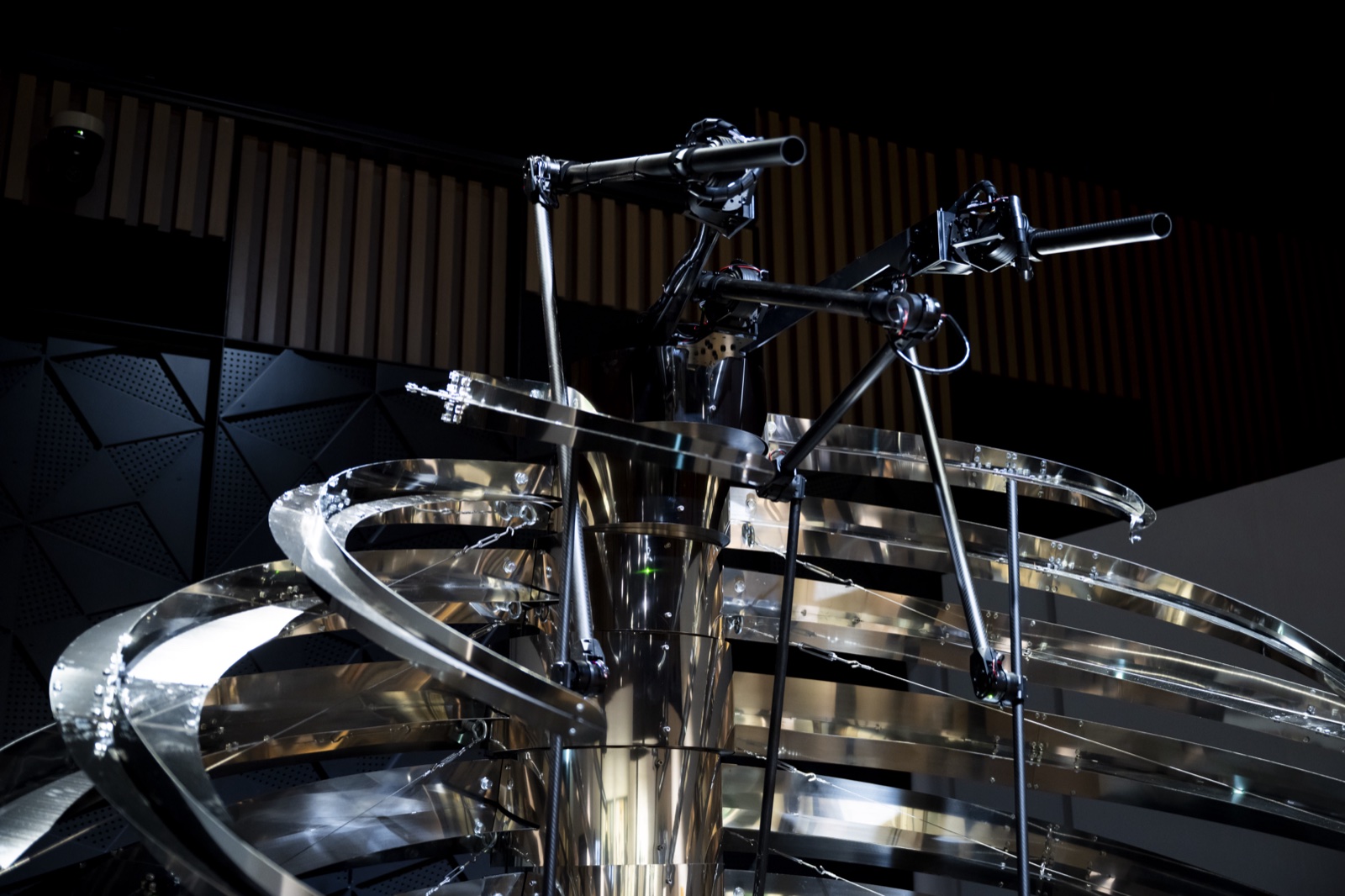
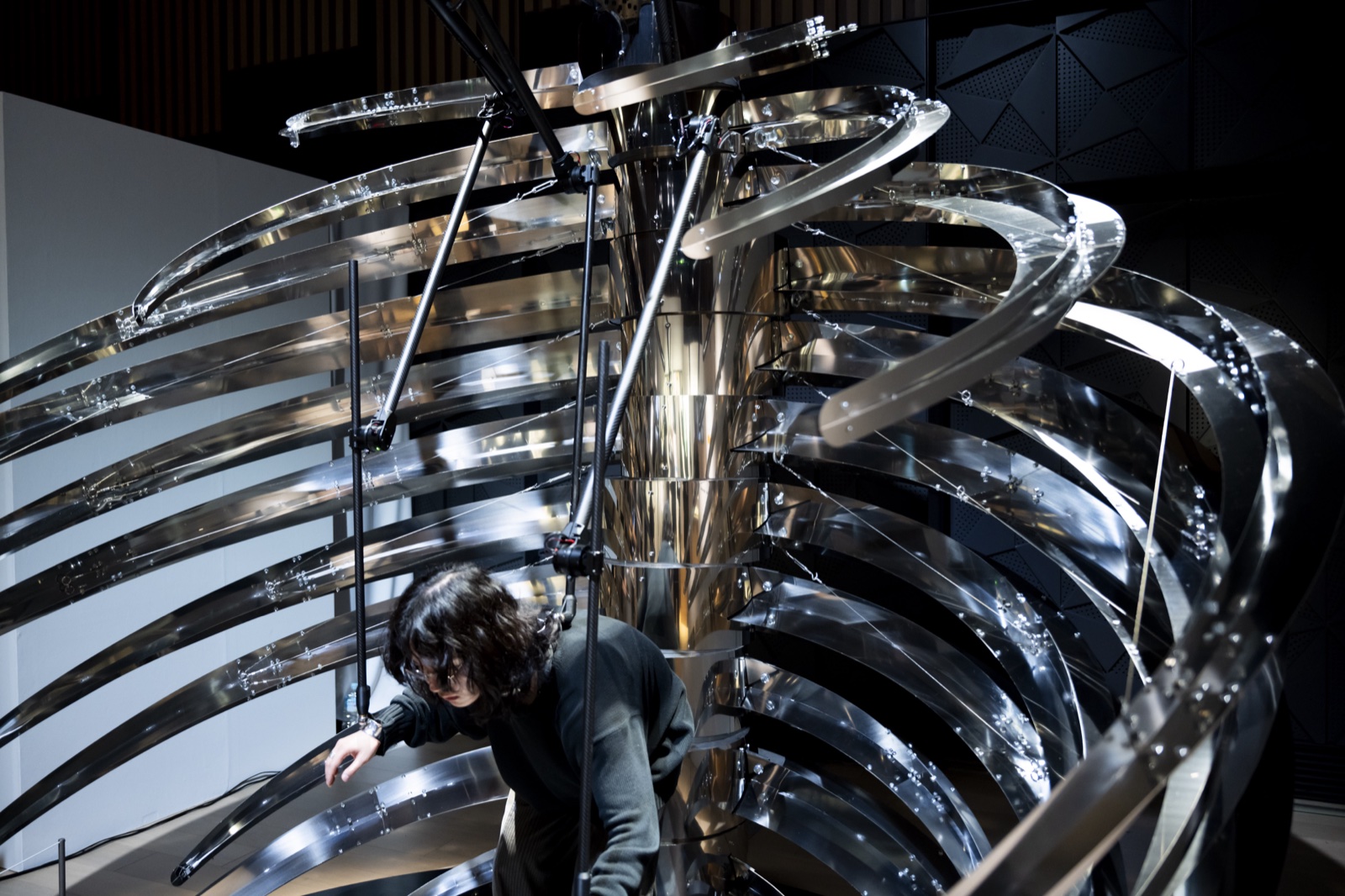
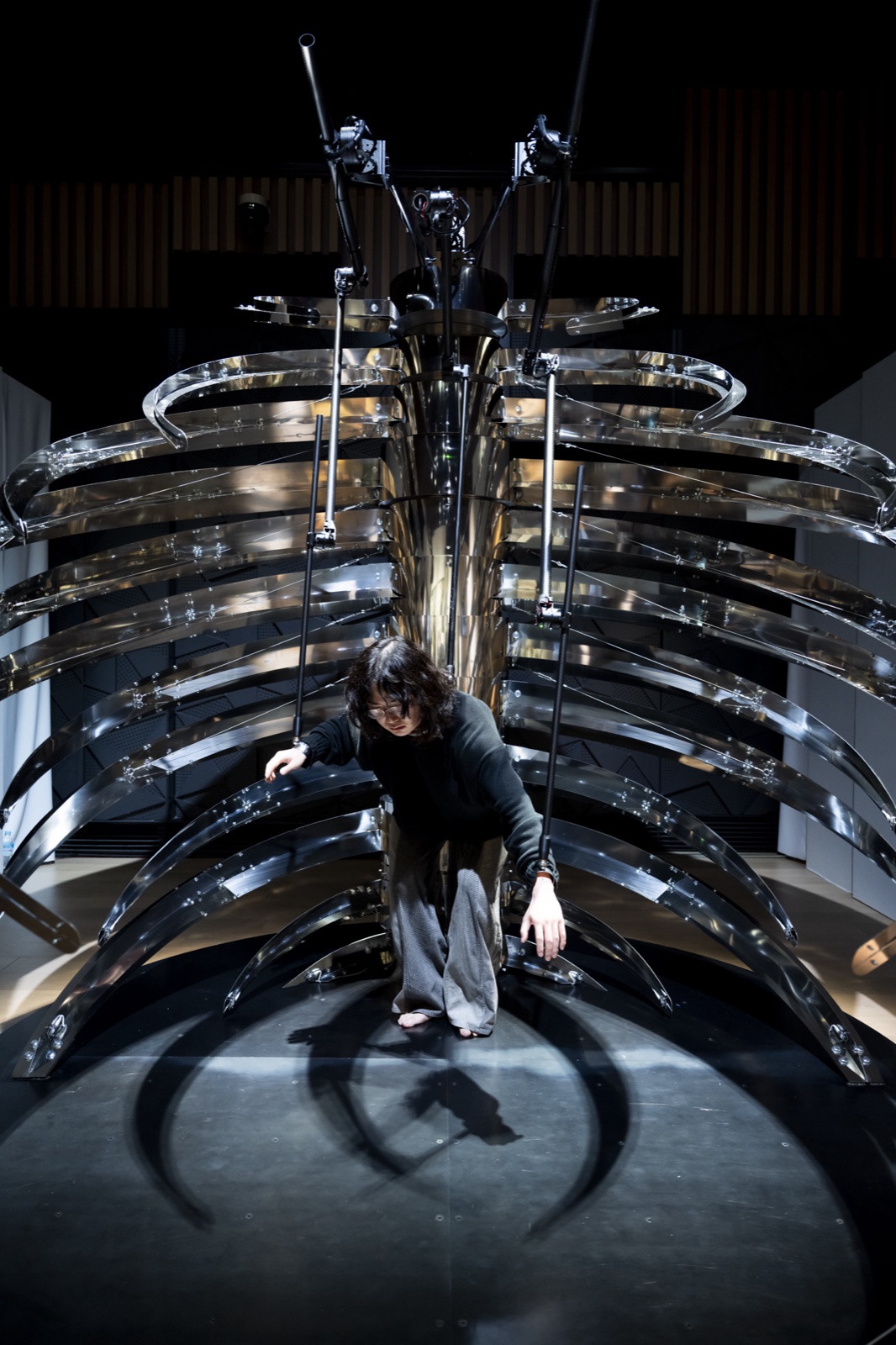
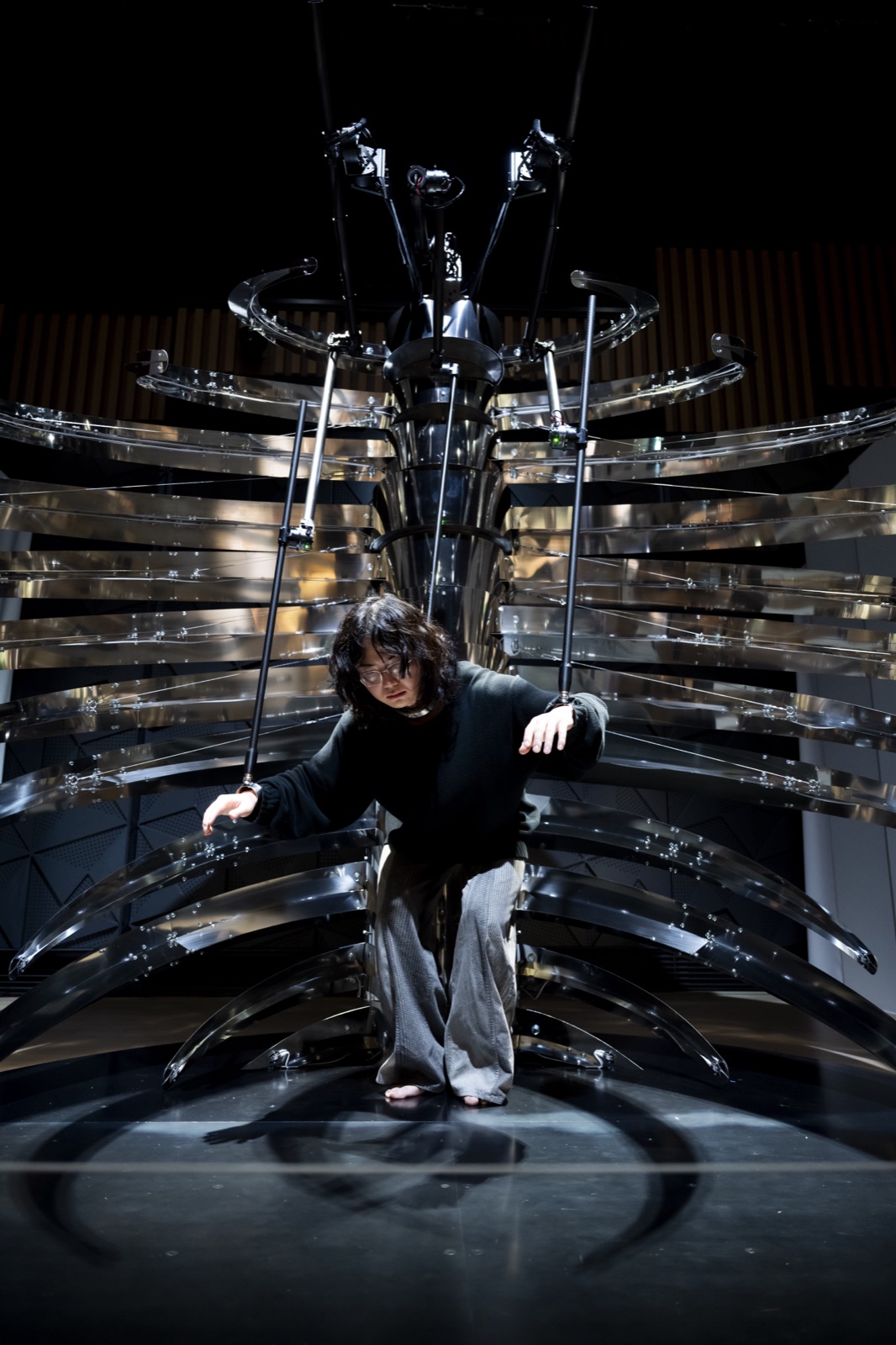
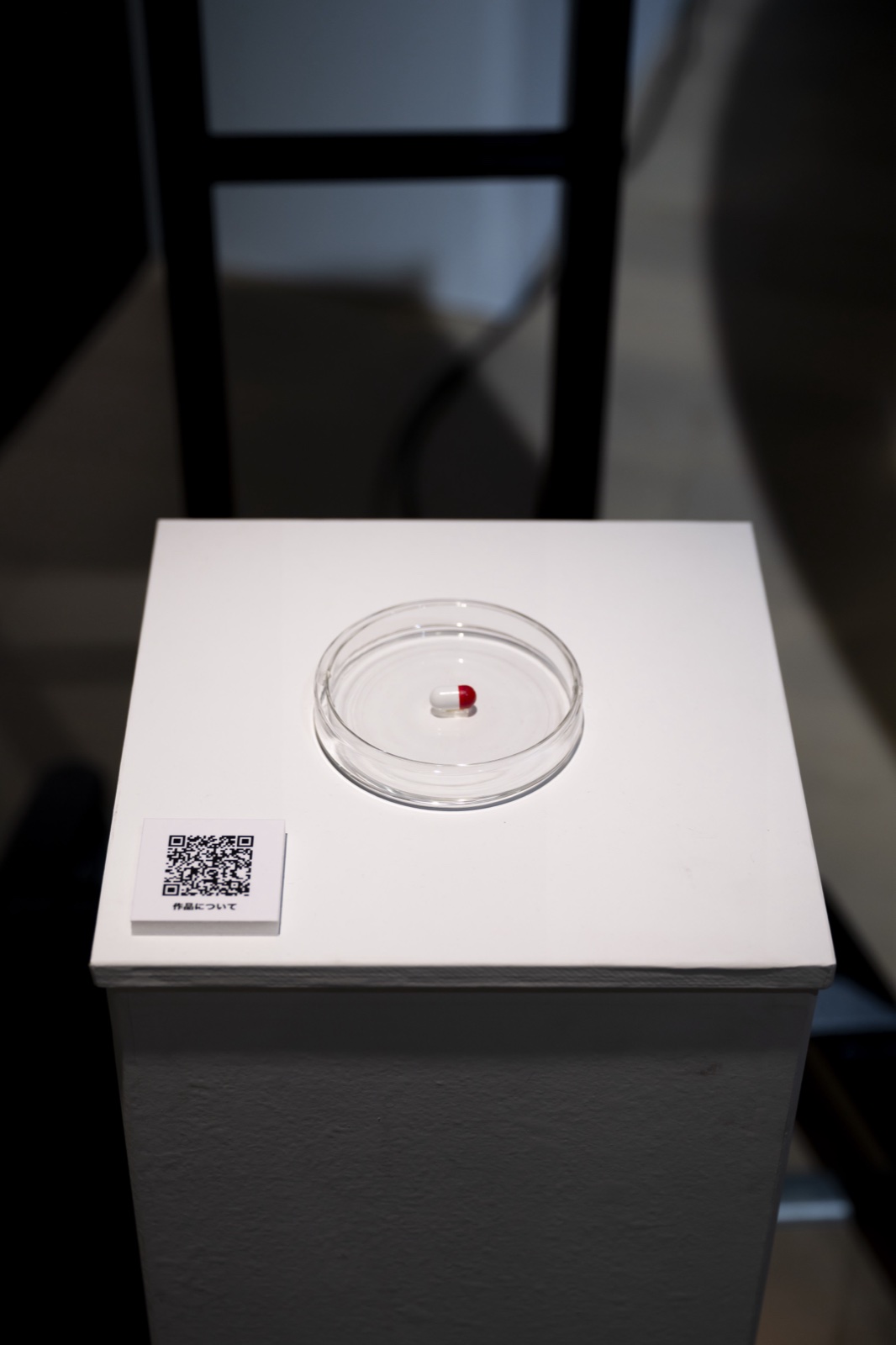
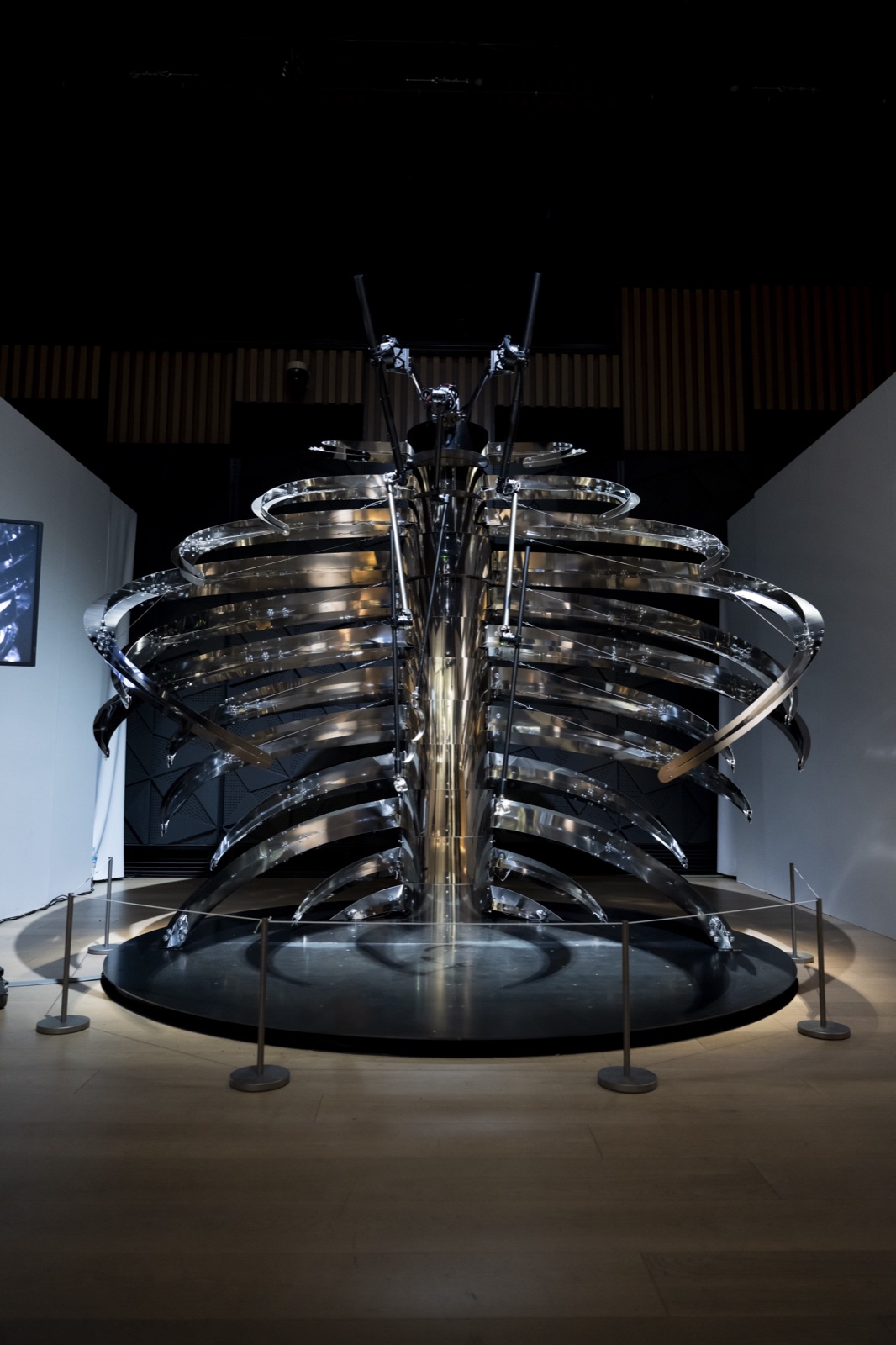
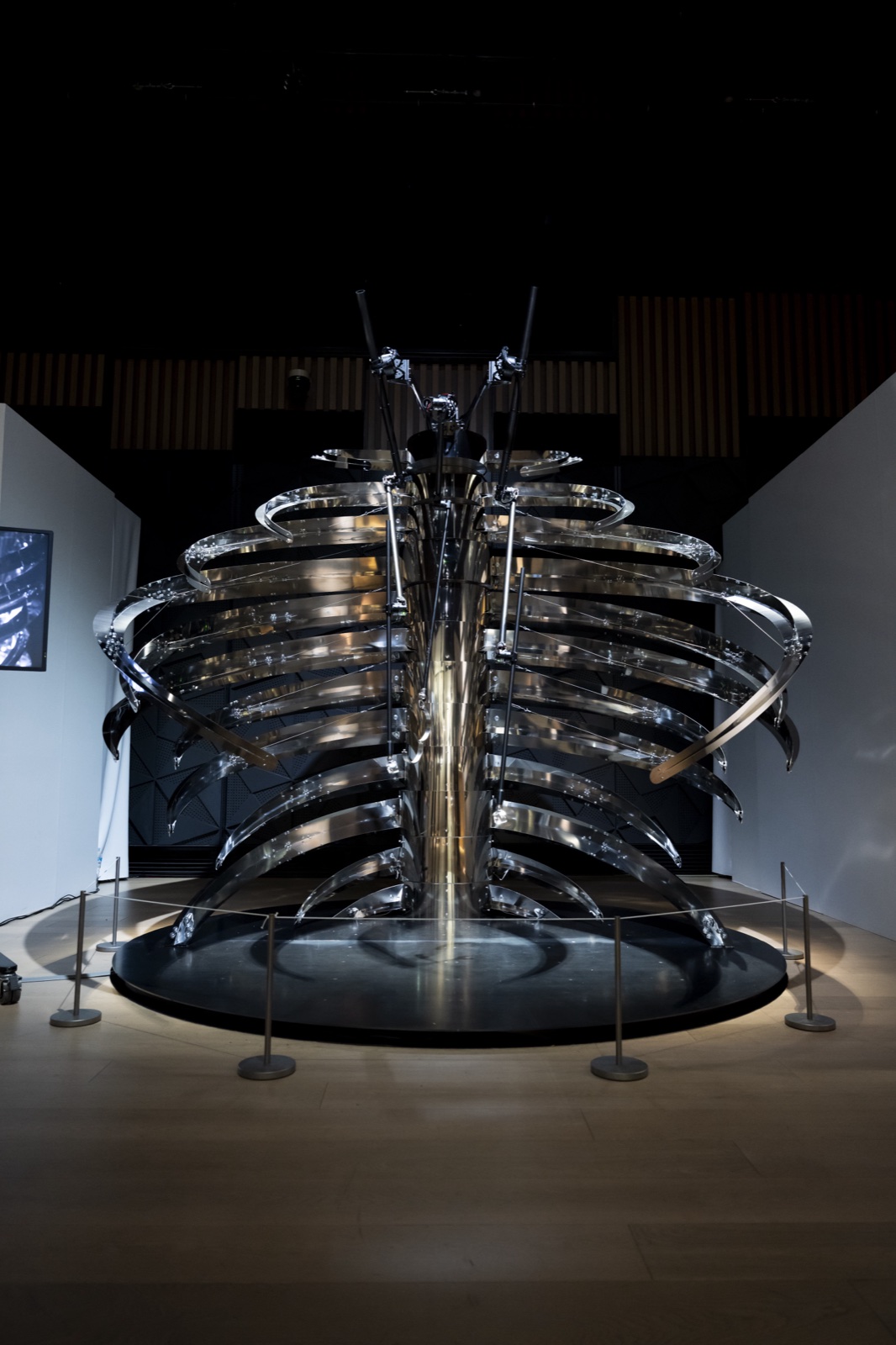
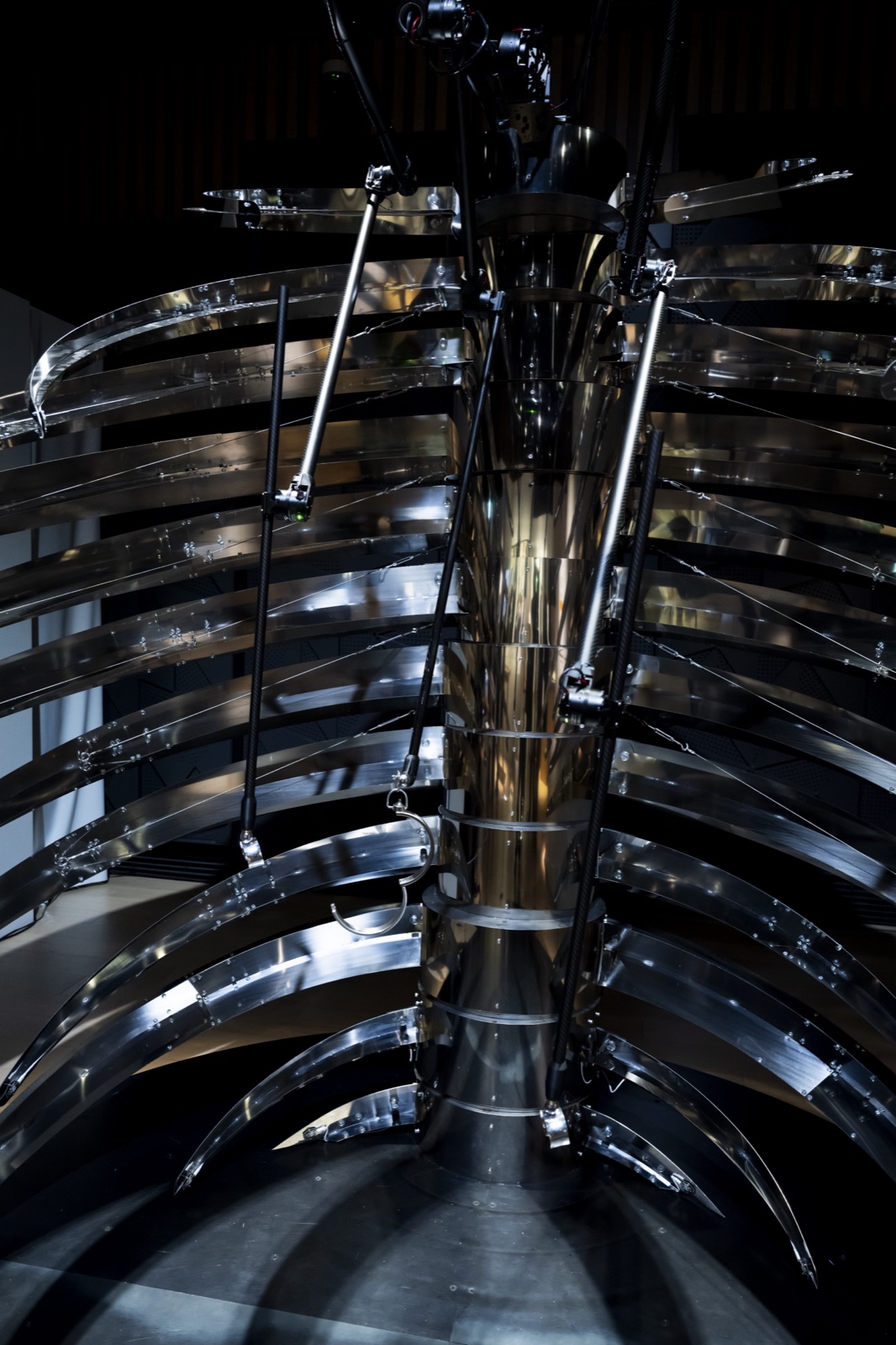
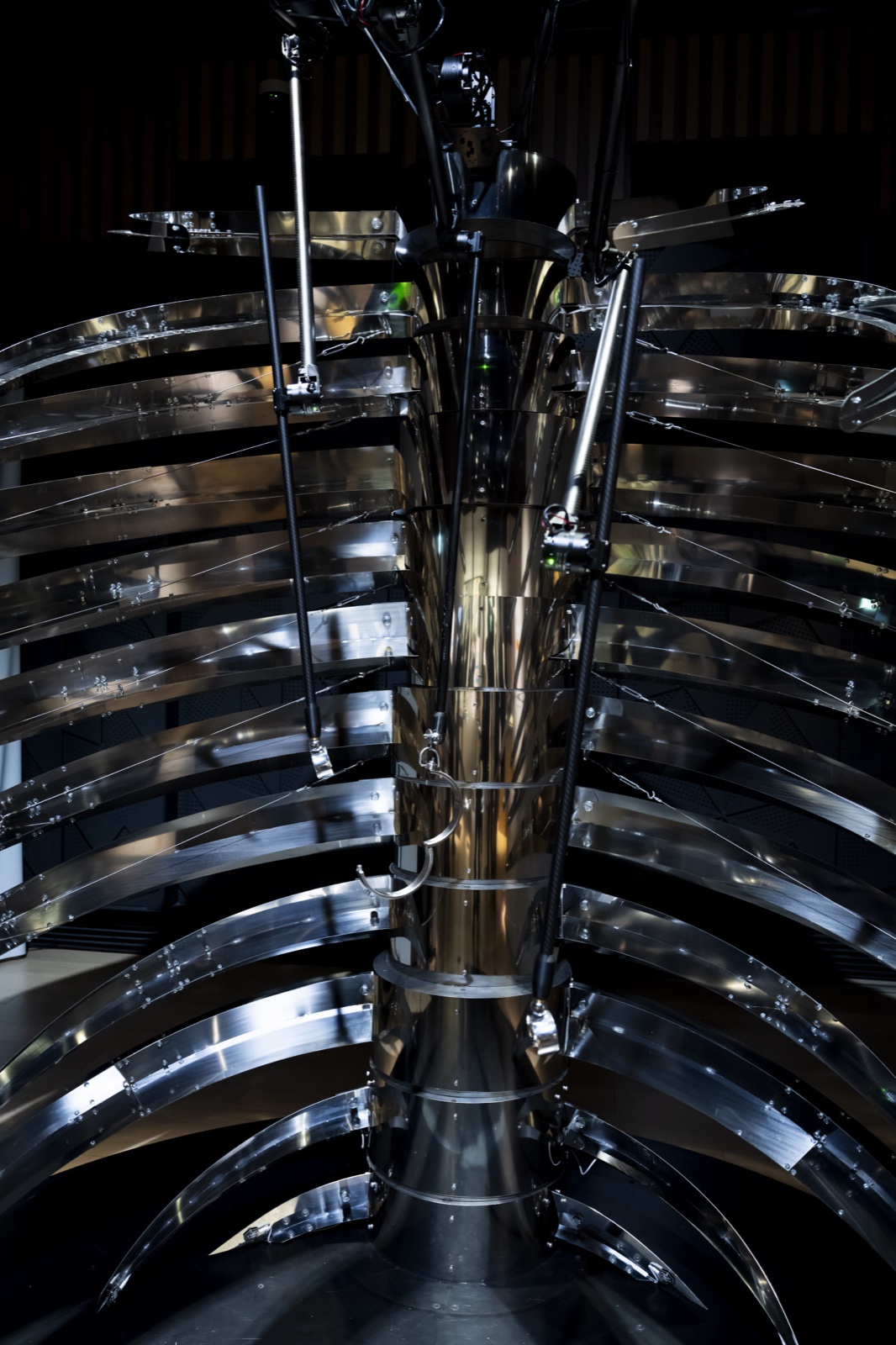
Photo: tadaPhoto: tadaPhoto : tada
Credits
Concept / Direction: Yuma Kishi / Technical Direction / Hardware Engineering: Tatsuya Takemori (Abstract Engine) / Software Engineering: Takahide Yoshida (Takashi Ikegami Lab, The University of Tokyo) / Grand Rib Fixture Design: Ryoma Itagaki (GYOSHA) / Grand Rib Fixture Fabrication: GYOSHA / Research / Critical Writing: Koji Mizuno / Research / Technical Support: Keito Shimizu (Tokyo University of the Arts) / Video Production: Kenji Agata / Technical Project Management: Tomoyo Obata (Abstract Engine) / Admin Assistant: Saki Nagato / Project Support: √K Contemporary / Project Curation: MaryGPT / Technical Cooperation: Abstract Engine, Alternative Machine Inc. / Installation: GYOSHA, Ryunosuke Okada (Tokyo University of the Arts) / Supported by: Agency for Cultural Affairs, Media Arts Creator Development Program